Maderö Wreck Site
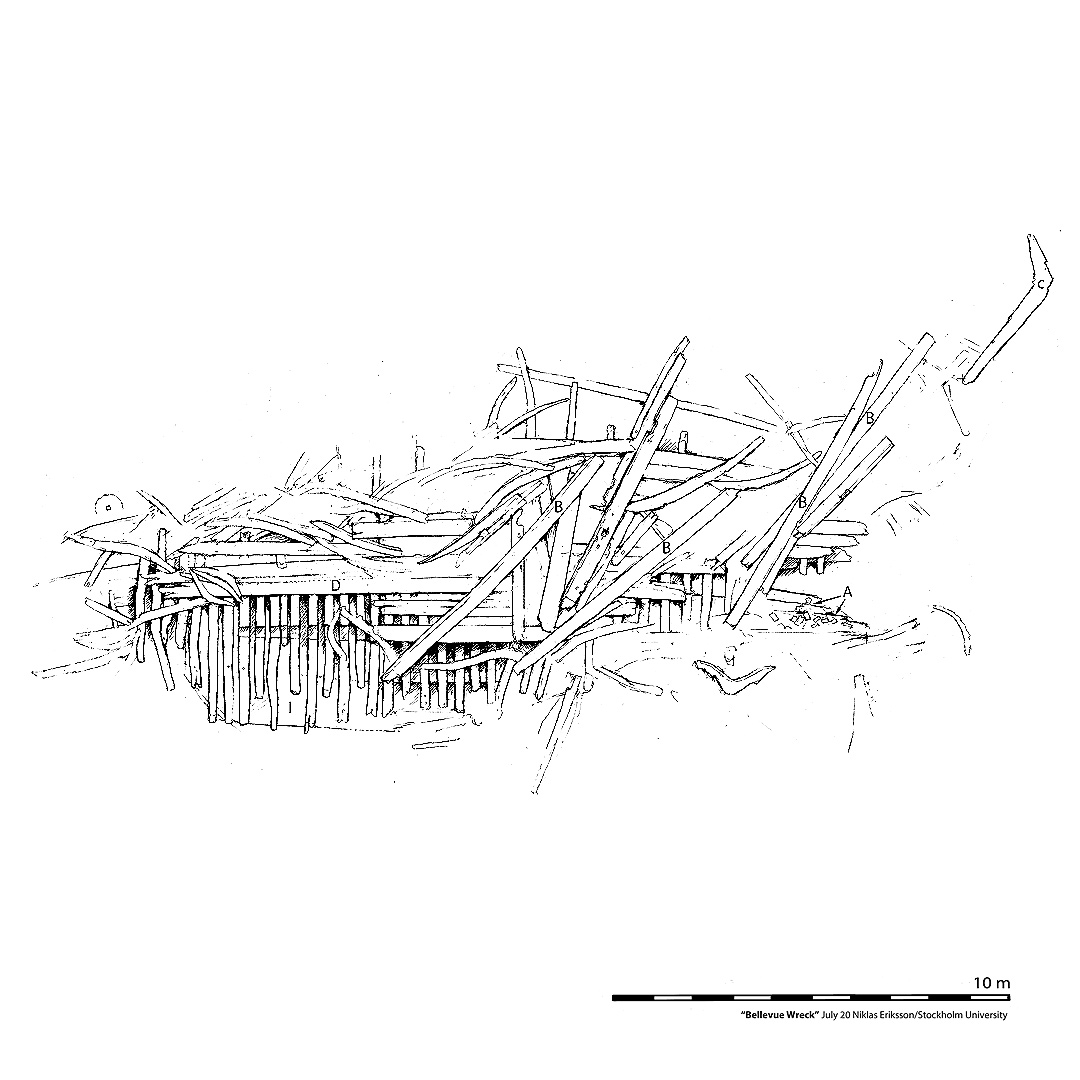
In 2021, Dr Niklas Eriksson, a researcher in marine archaeology at Stockholm University, will conduct a survey of the so-called Maderö wreck in collaboration with Humans and the Sea. Besides documenting and mapping the wreck site, there will be samples taken for scientific analysis.
- 2021 survey led by Dr Niklas Eriksson of Stockholm University, in collaboration with Humans and the Sea and supported by VOTO.
- The project will document and map the wreck site and take samples for scientific analysis to determine origin and age.
- The Maderö wreck may be the oldest armed vessel found in the Baltic Sea, with artefacts suggesting a medieval date.
- Discovered in the 1960s by a Stockholm diving club; salvaged stone cannonballs are held by the Museum of Naval History.
The results are expected to tell us where the ship was built and its age. It is possible that the Maderö wreck is the oldest armed vessel found in the Baltic Sea. The study aims to add substantial knowledge to our understanding of medieval shipbuilding and shipping.
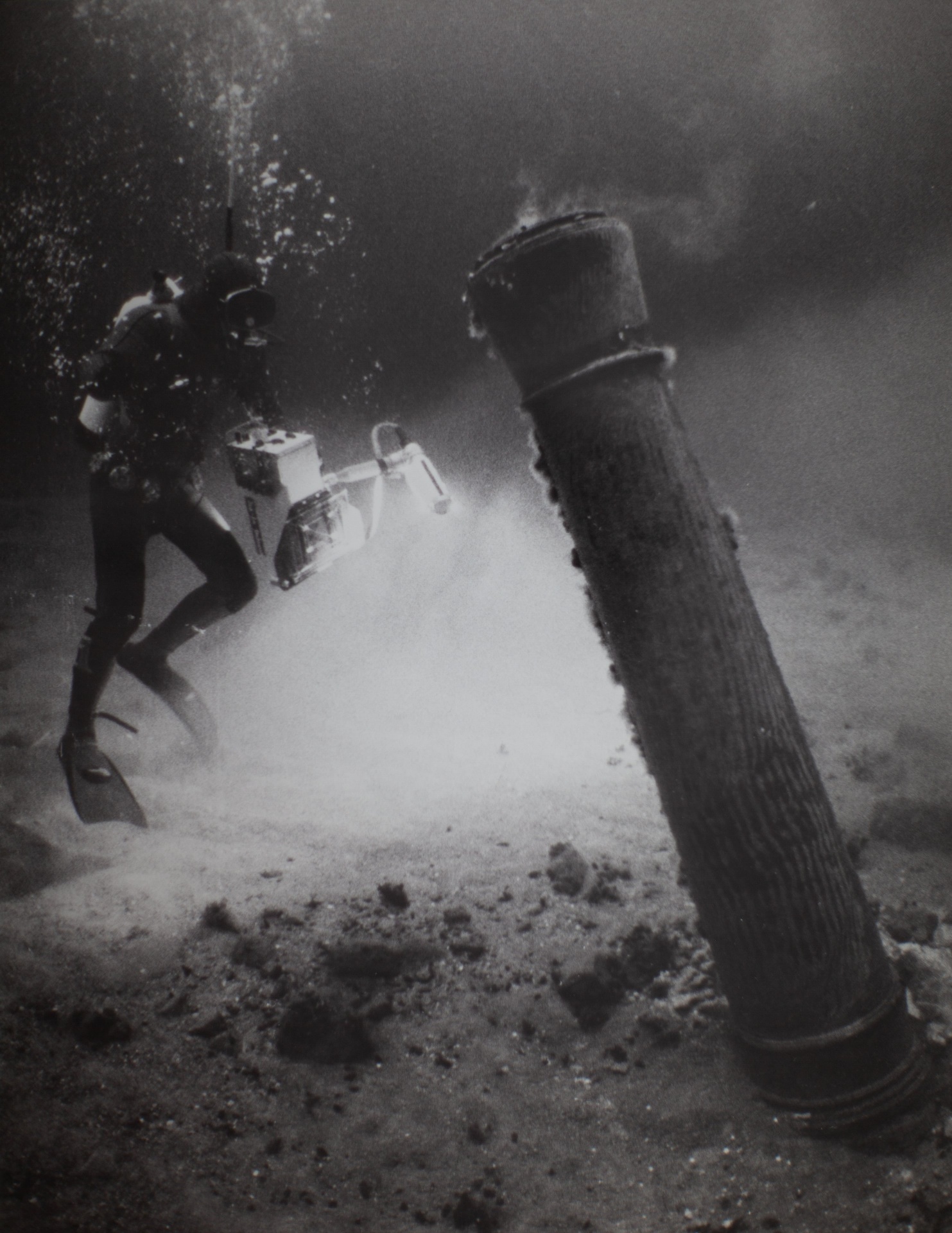
The wreck was discovered in the 1960s by a diving club from Stockholm in Kohamn, north of Dalarö. At that time, marine archaeology was barely recognized as a discipline, and the wreck was almost forgotten. Some objects, including cannonballs made of rock, were salvaged at the time and are now kept in the Museum of Naval History.
Cannonballs of that type were phased out in late medieval times. Later exploration by divers has disclosed details on the ship, suggesting that it is indeed from medieval times.

VOTO supports marine archaeological research in the Stockholm archipelago
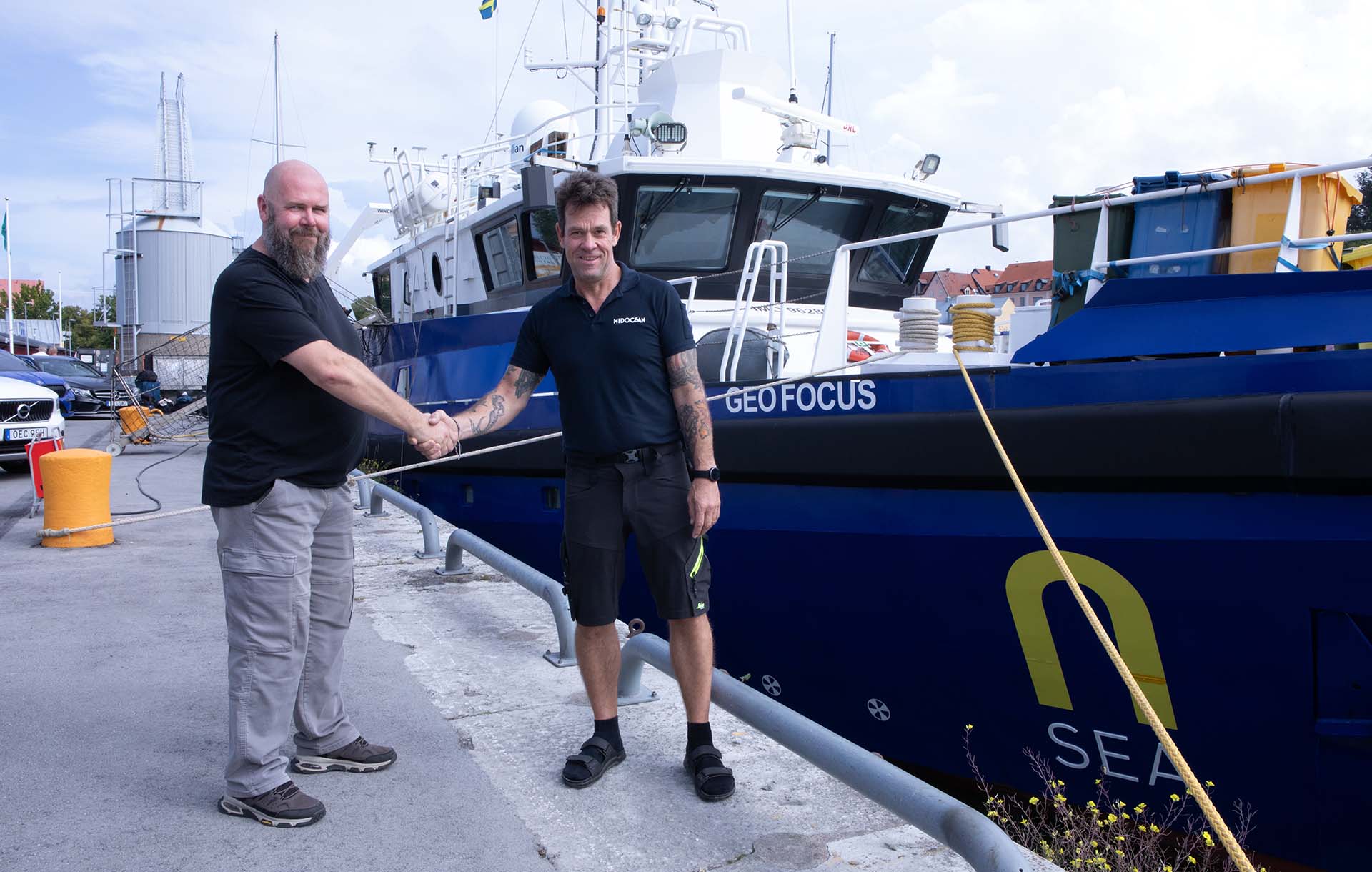
VOTO has decided to support Dr Niklas Eriksson’s project: The Maderö Wreck – possibly one of the oldest armed ships in the Baltic Sea. In 2021, Dr Eriksson, a researcher in marine archaeology at Stockholm University, will conduct a survey of the so-called Maderö wreck in collaboration with VOTO.
Besides documenting and mapping the wreck site, there will be samples taken for scientific analysis. The results are expected to tell us where the ship was built and its age. The study aims to add substantial knowledge to our understanding of medieval shipbuilding and shipping.
For more information, please contact Björn Hagberg: [email protected]