
Turning Ideas into action
Ocean Support is Voice of the Ocean’s gateway for enabling science beyond our own organisation.
At a time when critical ocean science remains underfunded, Ocean Support enables research, innovation and observations that might otherwise never happen. By providing access to expertise, technology, infrastructure, and strategic support, it helps transform ambitious ideas into reality. It advances our understanding of the ocean and informs the decisions needed to protect it.
Are you a researcher with an idea you want to bring to life? Ocean Support may be able to help. Discover more about what it offers and how to apply below.
Where it starts
At the core of Ocean Support is a focus on overlooked potential: individual researchers and small teams with strong ideas but limited access to the tools, equipment and personnel required to realise them.
What it covers
Ocean Support works across disciplines ranging from ocean dynamics and biological responses to habitat mapping and marine archaeology. This breadth allows it to bridge scientific and cultural work – advancing research while also helping to bring the ocean’s human stories to the surface.
How it helps
Ocean Support is not simply a funding body. It fills critical gaps in infrastructure, expertise and technical capacity, offering tailored, end-to-end support that spans methodology development, use of specialist vessels, hands-on operational assistance from our scientific teams, and the delivery of high-quality data.
Ocean Support in action
Skagerrak Mixing Experiment (SkaMix)
Project PI: Prof. Hans Burchard, Leibniz Institute for Baltic Sea Research Warnemünde, Germany (IOW) and Thomas Badewien, Institute for Chemistry and Biology of the Marine Environment, Oldenburg, Germany (ICBM)
The Skagerrak Mixing Experiment (SkaMix) investigates the complex water mass transformations and mixing processes in the Skagerrak, a key region connecting the North Sea, Kattegat, and Baltic Sea. These processes, driven by interactions between ocean
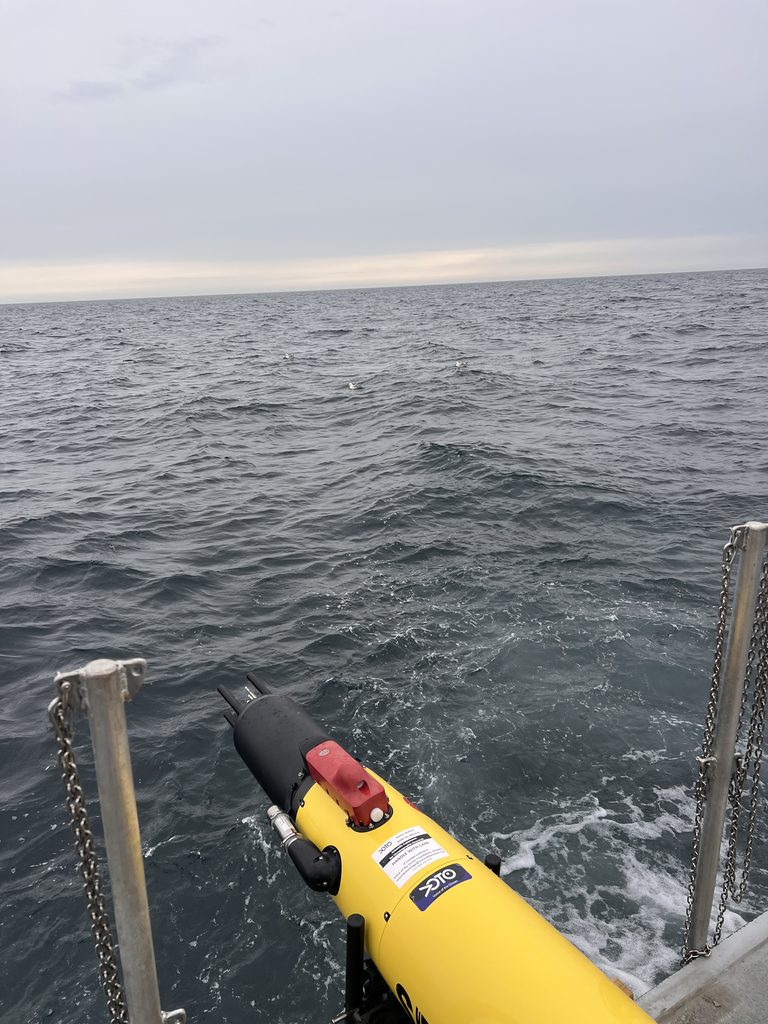
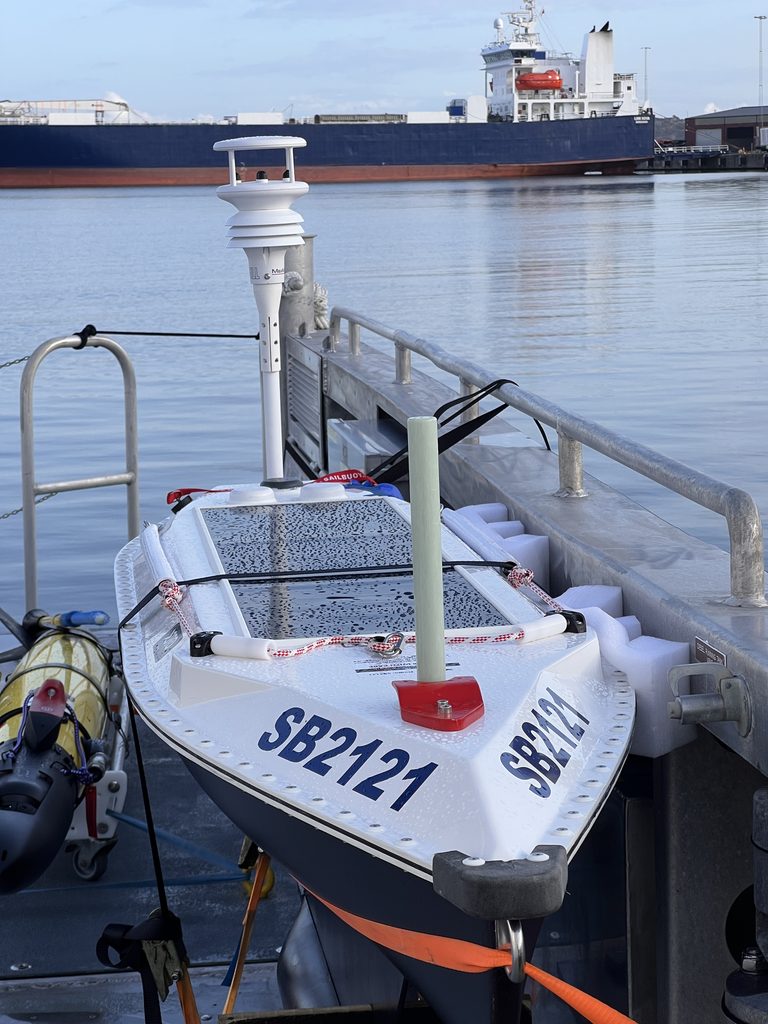
currents, temperature, and salinity, are critical for understanding how nutrients, oxygen, and other elements move between these basins, influencing marine ecosystems and regional ocean dynamics. SkaMix combines advanced computer modeling with data from field campaigns, including research cruises, surface drifters and turbulence sensors. We will trace water mass pathways, quantify mixing at ocean fronts, and analyze the role of small-scale turbulence in shaping water mass properties. A particular focus is on “frontal zones,” hotspots where different water bodies meet, creating turbulence and promoting mixing and exchange of properties. To measure this, VOTO contributed with a glider equipped with a microstructure sensor and a sailbuoy covering the surface parameteras as well as marine meterology. The project aims to identify the oceanic and atmospheric drivers of these processes, assess their seasonal and spatial variability, and improve tools for ocean modeling. By treating the Skagerrak as a natural laboratory, the findings will enhance our ability to predict changes in other coastal and open ocean mixing regions, contributing to better management of marine environments in a changing climate.
investigating the wind wake from a offshore wind farm
Project PI: Göran Broström, Anis El Youncha, Department of Marine Science, University of Gothenburg and Thomas Dahlgren NORCE Norwegian Research Centre/Department of Marine Science, University of Gothenburg
The project was supported by VOTO by deploying a sailbuoy outside the Kriegers flak Offshore Wind Farm (OWF) in 2024. The sailbuoy functioned well during the campaign and we got data as expected. We compare observations from the sailbuoy with observations from the nearby FINO2 oceanographic and meteorological platform. Observations show that sailbuoy provided essentially good values. We see a drift in surface water salinity at the end of the campaign, and the wind speed has a large scatter. The latter implies that we are hesitant to say that we can detect the wind wake from the OWF’s at Kriegers flak and any significant impact on e.g. ocean stratification or mixing. We also compared observations with results from a meteorological model dataset (NORA3 from Norwegian Meteorological Institute), and from an ocean model available at the marine Copernicus web site. Observations compare quite well, but also show a large natural variability in both ocean and atmospheric fields that hampers a detailed analysis of the atmospheric and oceanic response from the OWF.
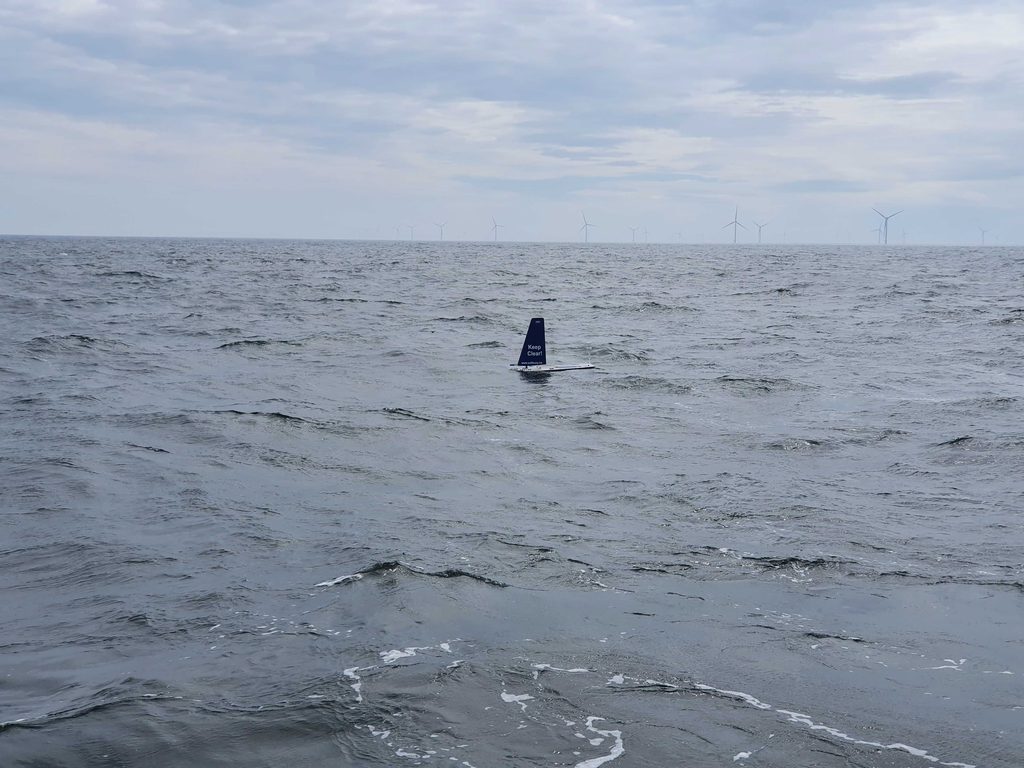
Photo: Marcus Melin, VOTO.
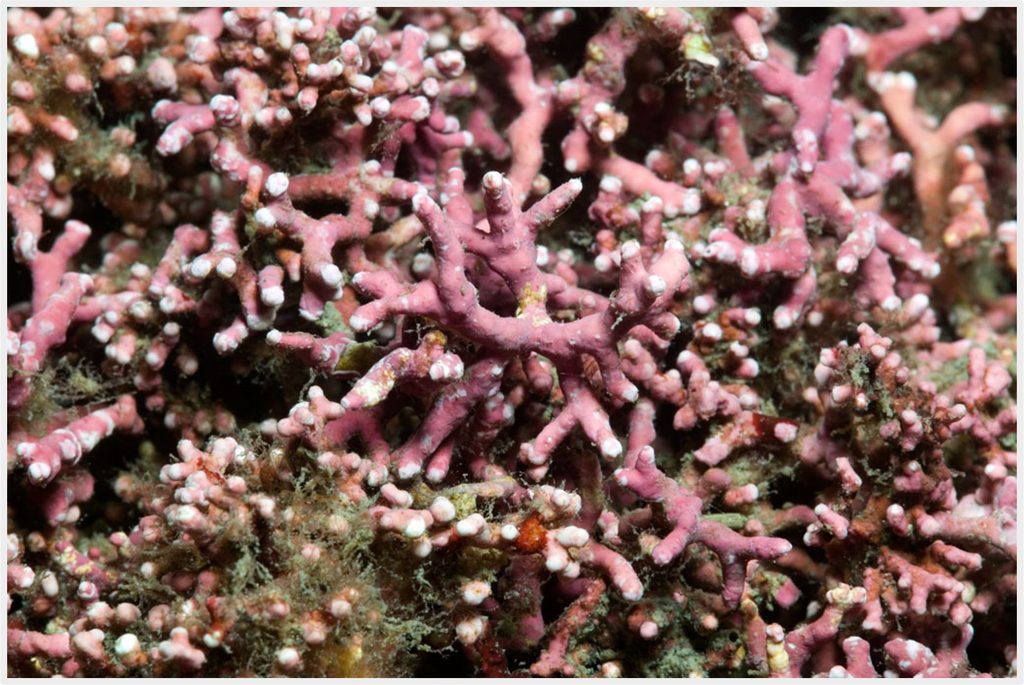
Photo: Robin Claesson, Midocean
Discovery and quantification of maerl beds – one of sweden’s most unknown marine habitats
Project PI: Lina Rasmusson & Emily Stragapede, Department of Biological and Environmental Sciences, University of Gothenburg.
This report presents the findings of a field-based study aimed at mapping and characterizing maerl beds in the offshore Fladen Bank on the Swedish west coast. Maerl, a free-living coralline red algae, forms structurally complex habitats that support high biodiversity but remain poorly documented in Swedish waters. Using a combination of multibeam echosounder (MBES) acoustic mapping and visual ground-truthing via remotely operated vehicle (ROV) and drop cameras, the study assessed habitat composition, biodiversity, and the feasibility of acoustic detection of maerl. Results show that maerl beds are heterogeneous and typically occur mixed with other substrates, supporting diverse macrofauna and flora. However, correlations between acoustic backscatter and maerl cover were weak, indicating that further methodological refinement is needed. This is an ongoing process. The study contributes to improved understanding and monitoring approaches for this vulnerable and ecologically important habitat.
Semi-instantaneous in-situ measurements across air-sea interface for study and monitoring air-sea interactions in the Baltic Sea.
Project PI: Dariusz Baramowski, Institute of Geophysics Polish Academy of Sciences
This project aimed to fill an observational gap across the air–sea interface through the use of an Uncrewed Aerial Vehicle (UAV) capable of both air and water measurements. This gap exists because typical manned or autonomous measurements are confined either to the atmosphere or to the water environment, or they operate solely at the interface. As a result, no operational monitoring system is currently capable of observing vertical variability in both atmospheric and oceanic properties simultaneously.
The goal of the project was to develop a UAV‑based measurement system and use it to monitor diurnal evolution across the air–sea interface in the Baltic Sea, specifically from 10 m below the water surface up to 120 m in the atmosphere. This vertical range is critical for understanding coupled variability between the atmosphere and the ocean, which is strongly influenced by diurnal processes.
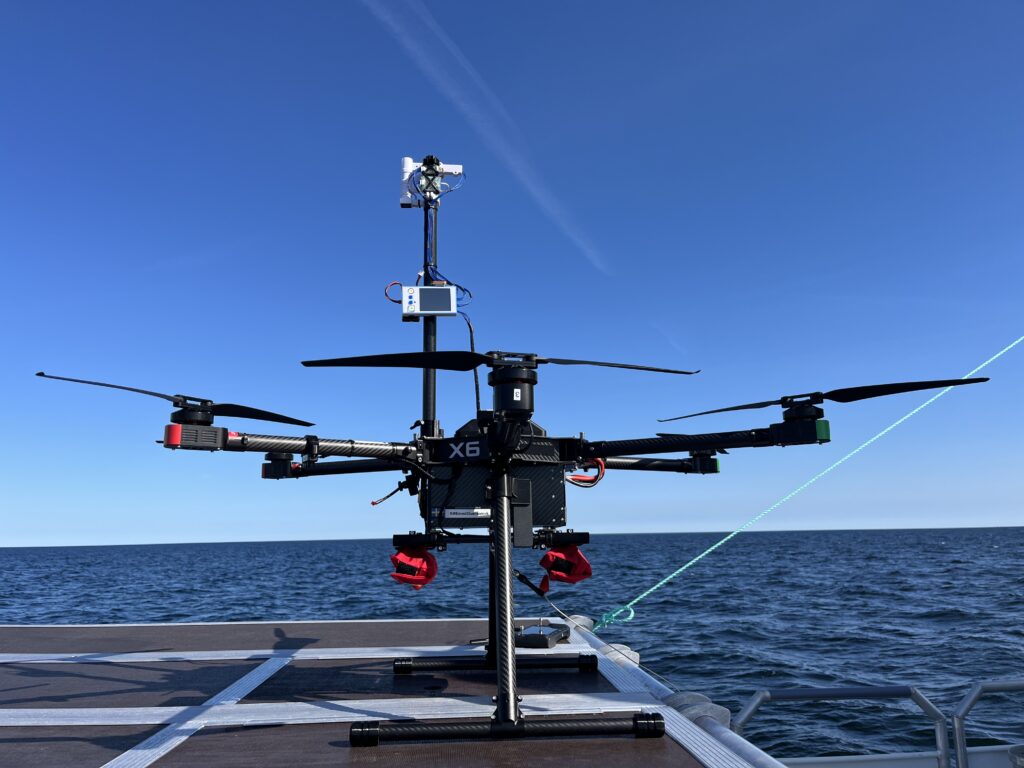
Photo: Andrew Birkett, VOTO.
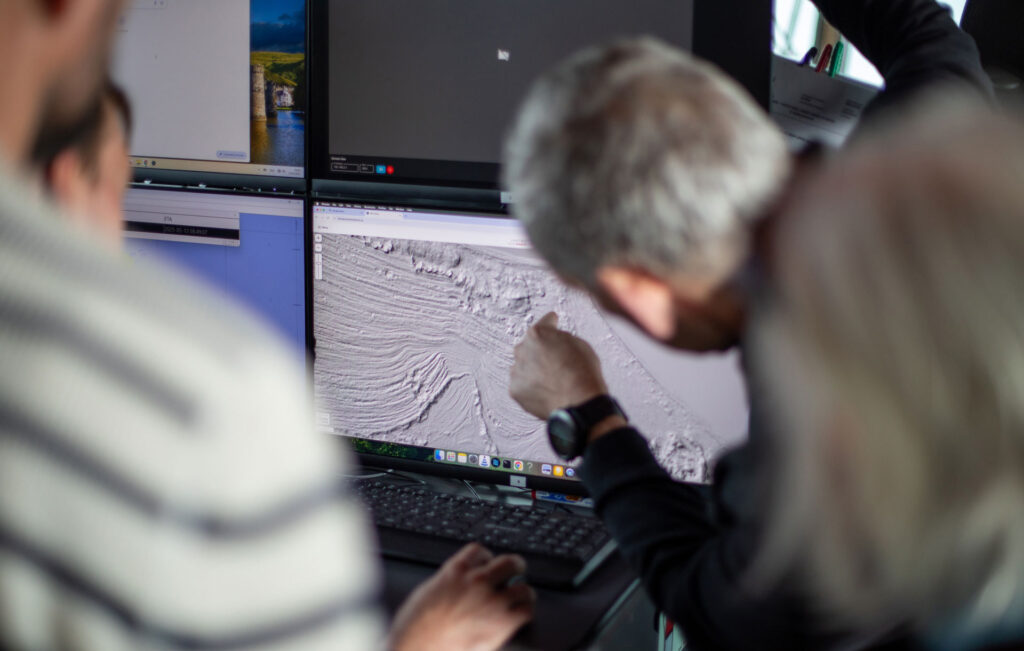
Sunken pasts – Mapping the seabed of Sweden’s southern coast
As Sweden’s land rebounded after the last Ice Age, ancient shorelines were submerged. With the backing of Ocean Support, seabed surveys along the country’s southern coast are uncovering traces of prehistoric life and lost landscapes under the sea.
Pelagic fish surveys with Sail buoys in Hudson Bay.
Project PI: Jonas Hentati Sundberg, Sveriges Lantbruks Universitet
Seabirds are an essential parts of healthy and vibrant marine ecosystems. Being at the top of marine food chains, they are susceptible to various human-induced threats including climate change and overfishing. This project was aimed at quantifying the amounts of prey available to breeding populations of seabirds. Research was conducted across three contrasting ecosystems: Hudson Bay, Canada, Baltic Sea and Bass Strait, Australia. VOTO has supported the field work using a Sail buoy deployed off Coats island in Hudson Bay June – July 2024. The expected outcome is more detailed knowledge on prey amount and distribution required to conserve seabird populations.
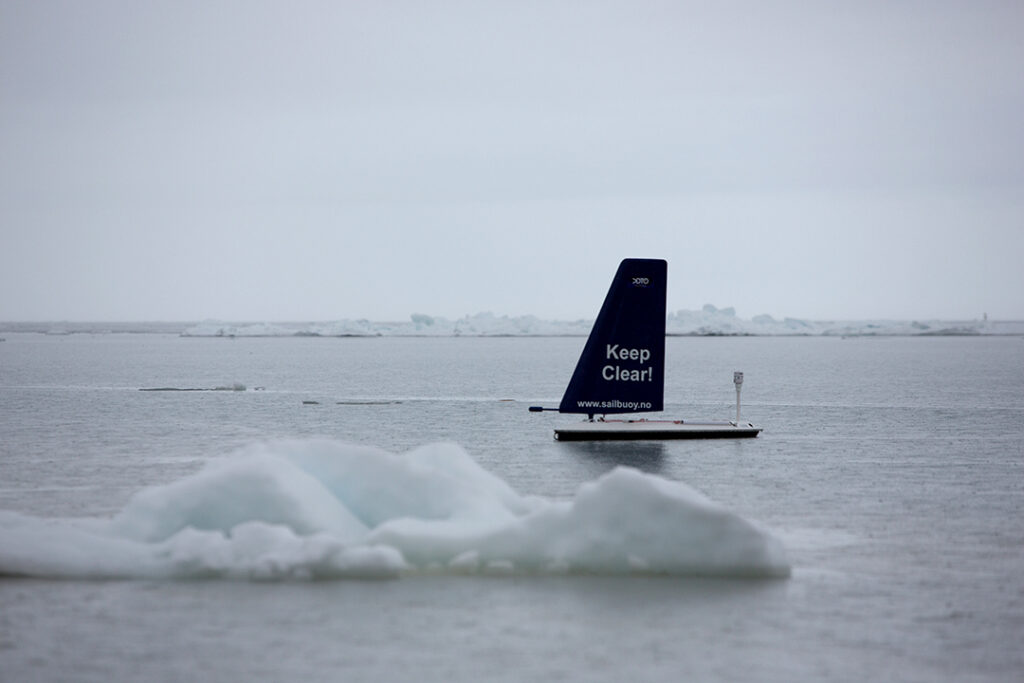
Photo: Jonas Hentati Sundberg, SLU
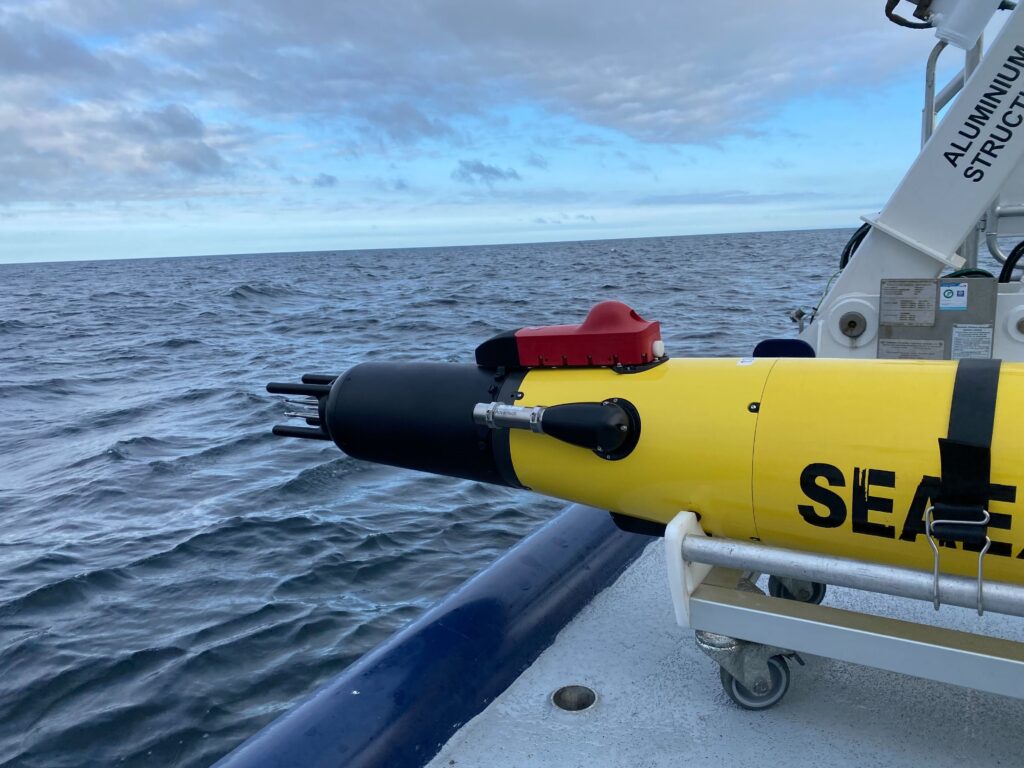
Photo: Marcus Melin, VOTO
Turbomix: Glider-based microstructure observations in Bornholm Basin
Project PI: Anna Bulczak, Researcher at Institute of Oceanology Polish Academy of Sciences.
The TurboMix project was designed to investigate the possibility to study turbulent mixing in a highly stratified sea using an autonomous underwater glider equipped with a microstructure sensor.
The project started in 2023 with the purchase and integration of a Rockland Microstructure sensor on a VOTO SeaExplorer glider. During 2024 and 2025, VOTO conducted 5 glider missions in the Bornholm Basin. Each mission was between 14 and 20 days of continuous glider profiling, collecting valuable data for the project.
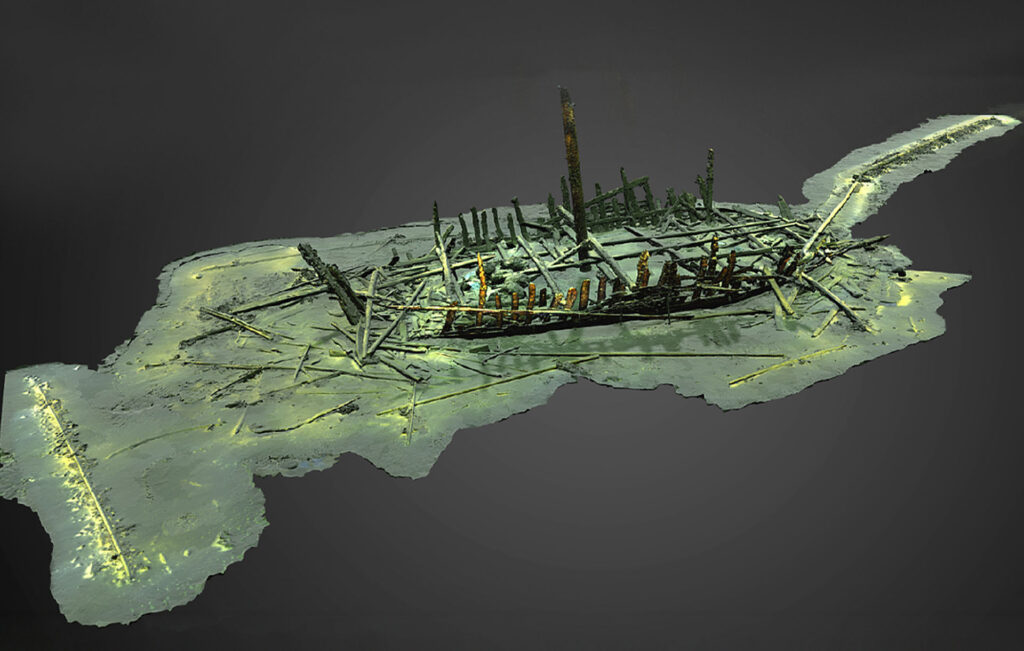
Osmund wreck – Researching lost history in the Baltic
With the help of Ocean Support, a 16th-century wreck in Stockholm’s archipelago, known as the ‘Osmund Ship’, is shedding new light on the economic development of northern Europe and the Baltic trading flows that shaped the history of Scandinavia.
Apply for Ocean Support
Ocean Support projects are selected through a decision making process involving both our internal experts and our independent scientific advisory board.
Start an application
Begin the application process. Download our application checklist (pdf).
Co-authorship Policy
Download the Code of Conduct for co-authorship for Voice of the Ocean researchers (pdf).
The Ocean Support application process consists of three stages:
- Contact the Ocean Support team with a short outline of your proposal before 30 August.
- A meeting will then be arranged to discuss the proposal and identify any technical or logistical considerations.
- Submit the final application before the deadline.
The application deadline will be October 1st, annually, with decisions expected approximately two months later.
Contact: [email protected]