Ocean science does not begin with data. It begins with getting there. Through MidOcean, Voice of the Ocean has access to vessels, crew and practical know-how needed to move people, technology and research from shore to sea.
- Ocean science starts with getting there; MidOcean provides vessels, crew and practical know-how to move people, technology and research from shore to sea.
- MidOcean operates a flexible six-vessel fleet, from fast workboats to larger platforms, supporting glider and sail buoy deployments and varied scientific projects.
- Speed and judgement matter: MidOcean enables rapid responses to events, positioning monitoring systems and supporting field operations while conditions change.
- Each vessel serves different needs: endurance for long missions, precision for glider work, and agility for diving, ROVs and quick, targeted tasks.
- MidOcean is the operational bridge connecting planning to practice, enabling scientists, filmmakers and archaeologists to turn intention into actionable ocean knowledge.
Before the data, the deck
To study the ocean, you first have to reach it.
That sounds simple until the work begins. Scientific ideas may start in a lab, a proposal or a research meeting, but sooner or later they have to meet the weather, the waves and the practical reality of working at sea.
People need to get out. Equipment needs to be deployed. Gliders need to be recovered, samples collected, cameras lowered, divers supported, and plans adjusted when the sea has other ideas.
This is the part of ocean science that is easy to overlook. Before knowledge can surface, someone has to make the operation possible.
That is where Midocean comes in.
Working alongside Voice of the Ocean as its operational arm, Midocean provides the boats, crew and practical expertise that turn research plans into real-world work. Its role is direct, physical and essential: transporting people and technology to the places they need to be.
Turning plans into work at sea
Voice of the Ocean’s scientific work depends on presence.
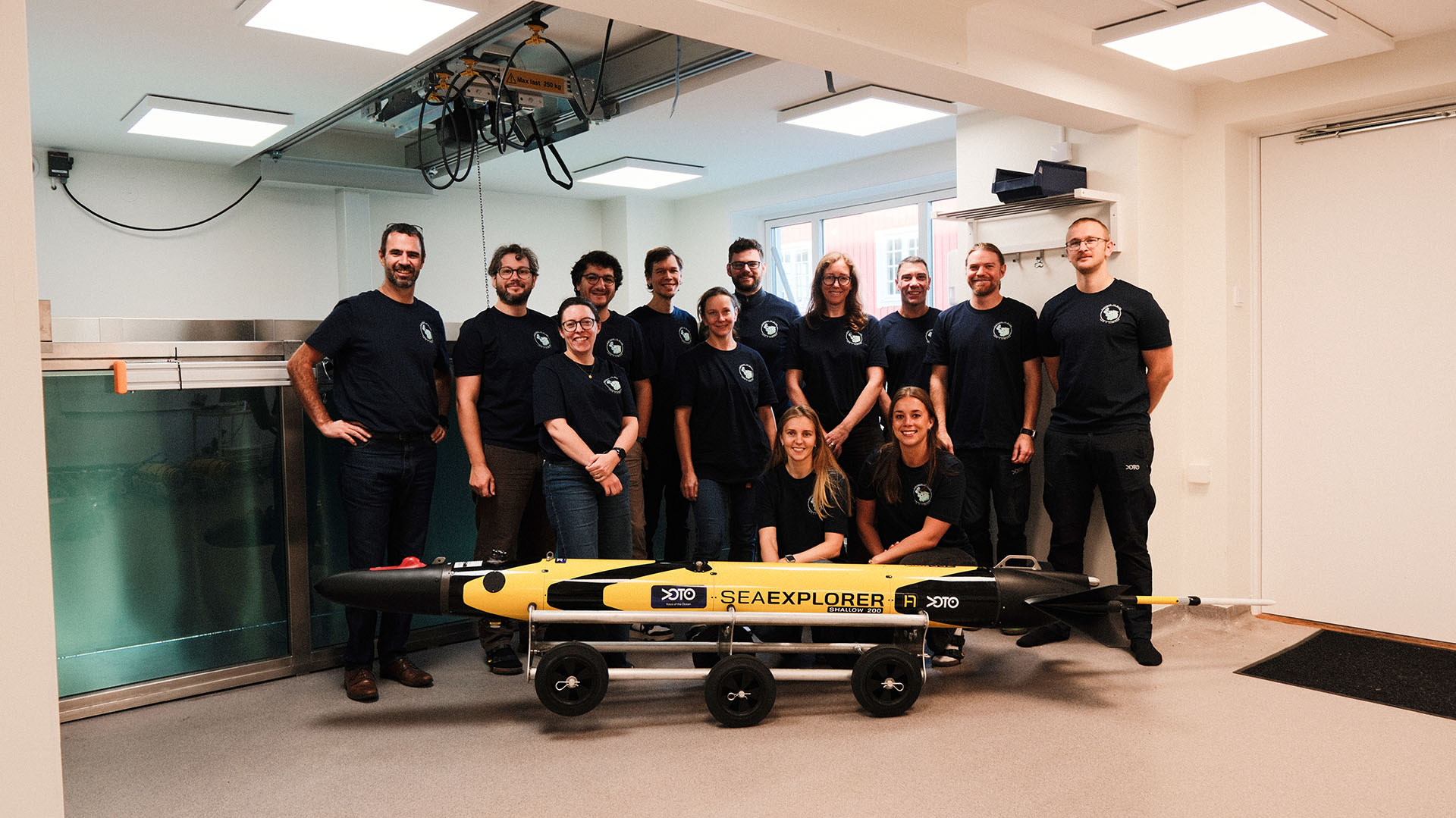
The foundation’s underwater gliders and sail buoys can travel alone once deployed, but they do not reach the sea by themselves. They need vessels, crews, timing, maintenance and judgement. They need people who know the local waters and can move quickly when conditions change.
Midocean makes that possible.
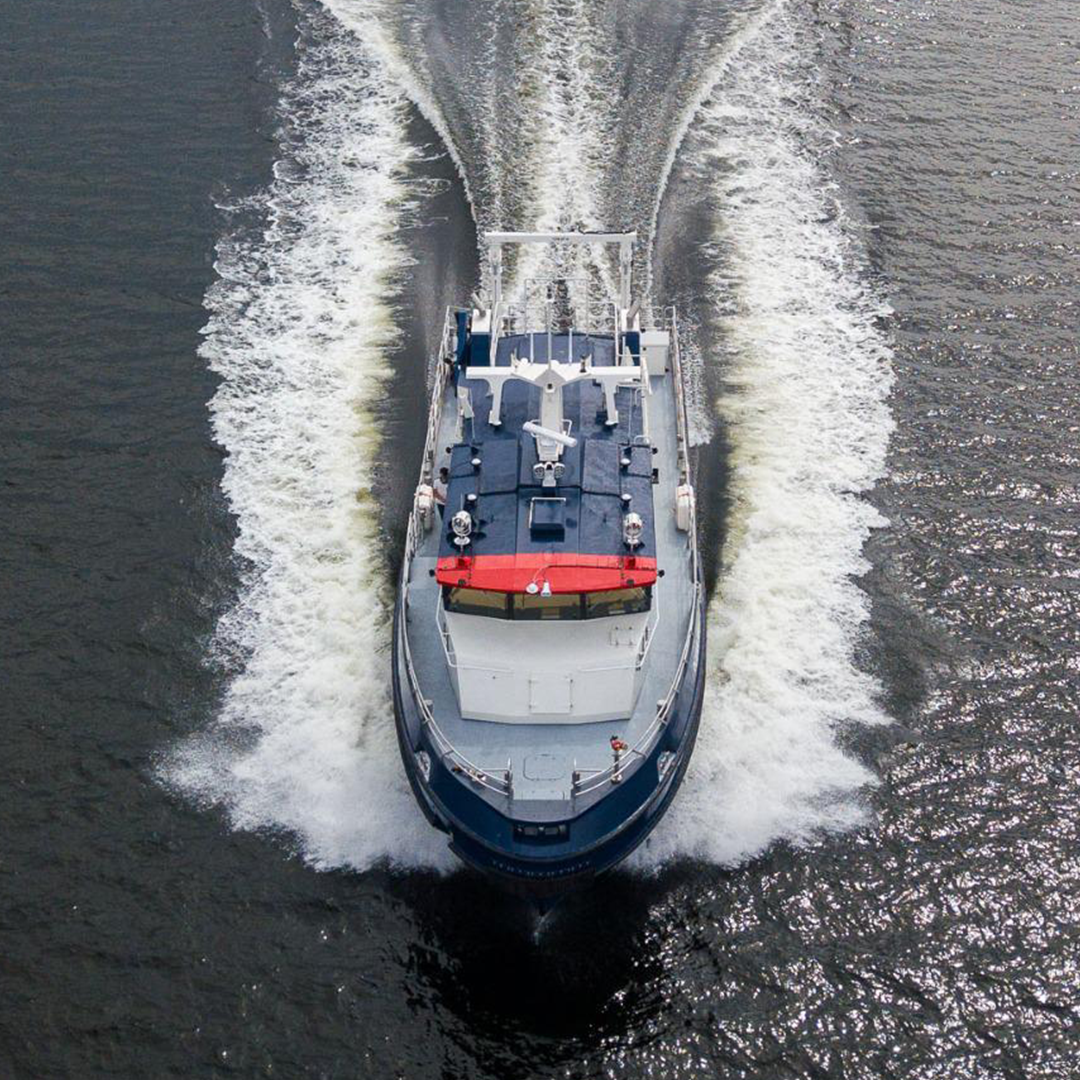
Its fleet of six vessels ranges from fast, versatile workboats to larger platforms suited to longer expeditions. Together, they support the deployment of VOTO’s underwater gliders and sail buoys, while also enabling a wide range of projects across the wider scientific community.
Operating across the Baltic Sea, Skagerrak and Kattegat, Midocean supports work in marine science, marine archaeology and documentary filmmaking. Its boats are designed for flexibility, helping teams reach sites, deploy equipment and respond to changing conditions with minimal delay.
In ocean science, that flexibility matters.
A weather window can be brief. A sensor may need attention. A glider may surface far from where it was expected. A research opportunity may depend on being able to leave harbour quickly, with the right people and tools already in place.
The ocean does not wait for perfect logistics.
When speed matters
Some missions can be planned months ahead. Others arrive without warning.
Following the Nord Stream pipeline explosions in 2022, Midocean vessels were used to deploy and reposition VOTO’s monitoring systems, helping researchers track the environmental impact of the methane release in the Baltic.
The incident was political, technical and environmental all at once. Above the surface, the world focused on sabotage, security and energy. Beneath the waves, scientists needed to understand what was happening to the sea.
That meant acting fast.
Midocean’s role was not simply to provide transport. It helped make rapid scientific response possible — getting equipment into position, supporting field operations and enabling VOTO’s monitoring systems to capture data while the event was still unfolding.
In the ocean, evidence moves. Currents shift. Conditions change.
First, you have to get there.
Power to the sea
Midocean’s fleet is built around different kinds of operational need. Some missions call for endurance and stability. Others demand speed, precision or the ability to work close to shore.
Each vessel gives VOTO and its partners another way to reach the sea — and another way to turn observation into understanding.
Ocean Seeker
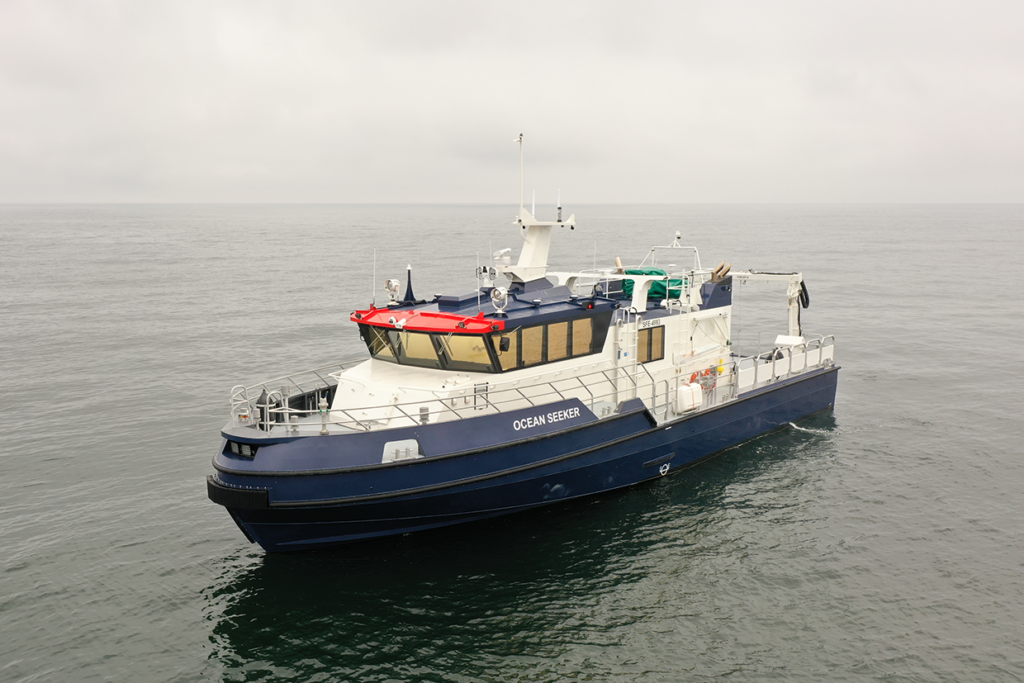
Ocean Seeker is a purpose-built research vessel designed for serious work at sea. It has a small onboard lab, space for a team to live for a few days, and equipment such as cranes and winches to deploy sensors and gliders.
It is used for longer missions where stability, data collection and operational capability matter. For science that needs time on the water, Ocean Seeker provides the platform to stay with the work.
Ocean Nomad
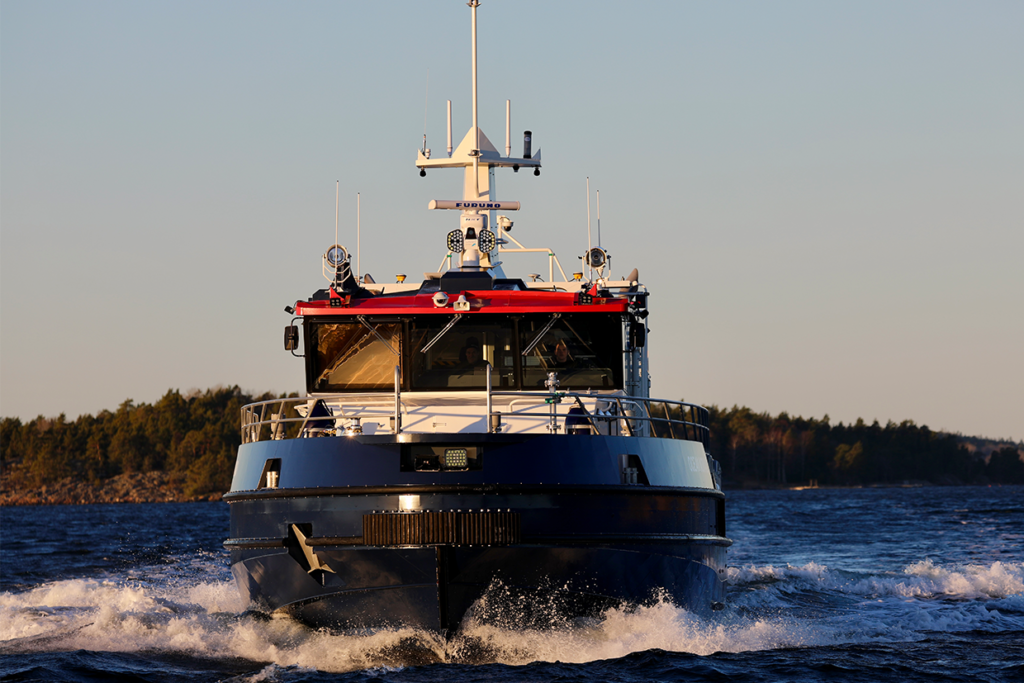
Ocean Nomad is Ocean Seeker’s sister ship, purpose-built for deploying and supporting sea gliders while remaining flexible for additional missions.
Designed for short expeditions, it can hold position on battery power, enabling zero-emission operations and precise sampling. Its compact technologies allow it to perform at a level often associated with larger vessels.
That combination — compact, capable and precise — is central to modern ocean operations. Not every mission needs a large ship. Many need the right platform, in the right place, at the right moment.
Ocean Scout
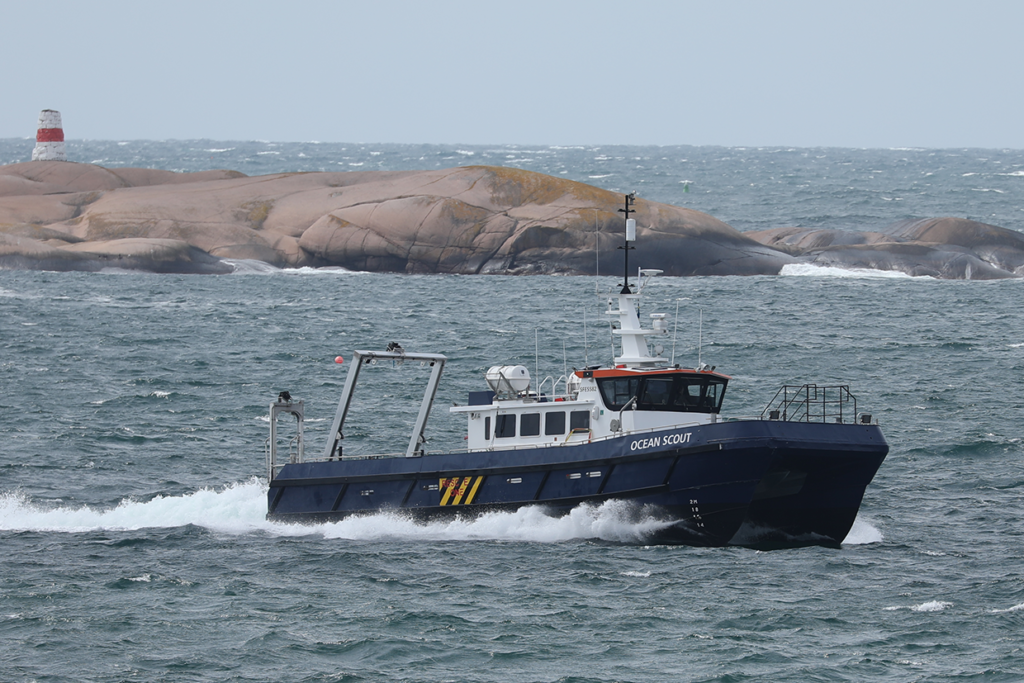
Ocean Scout is one of the fleet’s fastest vessels on open water. Built for rapid response, it has strong station-keeping and an adaptable deck, making it well suited to diving, ROV work and quick, targeted missions in changing conditions.
Speed is not only about moving quickly. It is about keeping scientific work within reach when conditions are shifting and the opportunity to act is narrow.
Ocean Scout gives teams that reach.
The infrastructure behind understanding
Ocean science is often described through discoveries: a new dataset, a rare image, a clearer picture of what is happening beneath the surface.
But discovery depends on infrastructure.
It depends on vessels, crew, harbours, maintenance, scheduling, weather judgement and practical experience. It depends on the quiet competence of people who can move between a research plan and the reality of the sea.
With bases in key coastal locations and a small, experienced team, Midocean makes it easier for scientists, technicians, filmmakers and researchers to work at sea.
That work may look different from project to project. One day it may mean deploying a glider. Another, supporting marine archaeology. Another is helping a documentary team reach a site where a story can be told from the water rather than from the shore.
But the underlying purpose remains the same.
MidOócean helps turn intention into action.
From shore to science
Voice of the Ocean exists to make the ocean visible and understood. Sometimes that means collecting data. Sometimes it means telling stories. Sometimes it means supporting researchers with the tools and access they need to ask better questions.
Midocean is part of that same chain.
It connects land to sea, planning to practice, ambition to deployment. It is the operational bridge between knowing what needs to be done and making it happen.
Because before data can become knowledge, before knowledge can become understanding, and before understanding can lead to action, there is a more basic step.
First, you have to get there.
FROM SHORE TO SEA
MidOcean helps Voice of the Ocean and its partners move science into action. Providing the vessels, crew and operational expertise needed to work across the Baltic, Skagerrak and Kattegat.
From glider deployments to marine research, archaeology and filming, Midocean makes it possible to reach the places where ocean knowledge begins.