In a world where flight and instant communication have collapsed distances, it can be easy to lose sight of the ocean. But the ocean is a central part of human history and identity. The seabed is strewn with wrecks and remnants that testify to thousands of years of travel, trade, conflict, exploration and exchange. But as long as these stories remain hidden beneath the waves, they are at risk of slipping from public consciousness.
Ocean Culture is the strand of VOTO devoted to resurfacing the human stories of the sea and bringing them into our collective awareness. Through marine archaeology, exhibitions and cultural collaboration, Ocean Culture reminds people we are a seafaring species and reconnects us with the ocean as a space of memory, movement and shared history.
The mission is to build a deeper understanding of humanity’s long relationship with the ocean – and why its future matters to us all.
From seabed to society
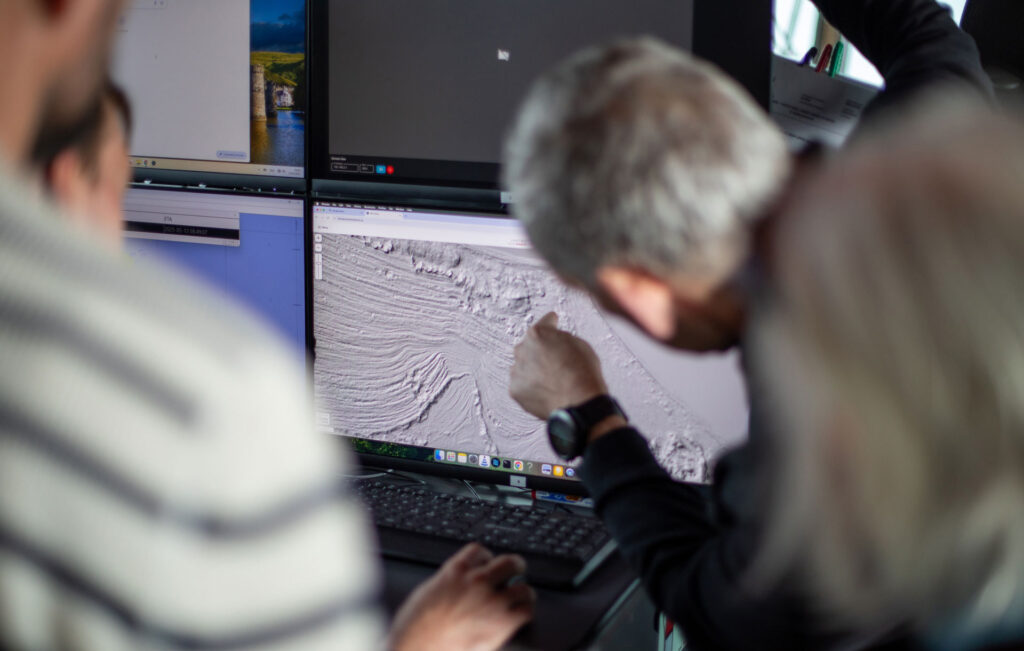
Ocean Culture straddles the worlds of scientific research and public engagement. Working closely with VOTO’s Ocean Support arm, it supports hands-on marine archaeology, helping researchers access specialist methods, underwater survey technology and practical expertise.
But the work does not stop at research. Through exhibitions and storytelling, Ocean Culture brings this research into public life, translating discoveries into experiences that wider audiences can connect with.
“We support work that is more than just ‘kings and guns’. Not just warships, but trade, everyday life, how society actually worked and how central the ocean was to it.”
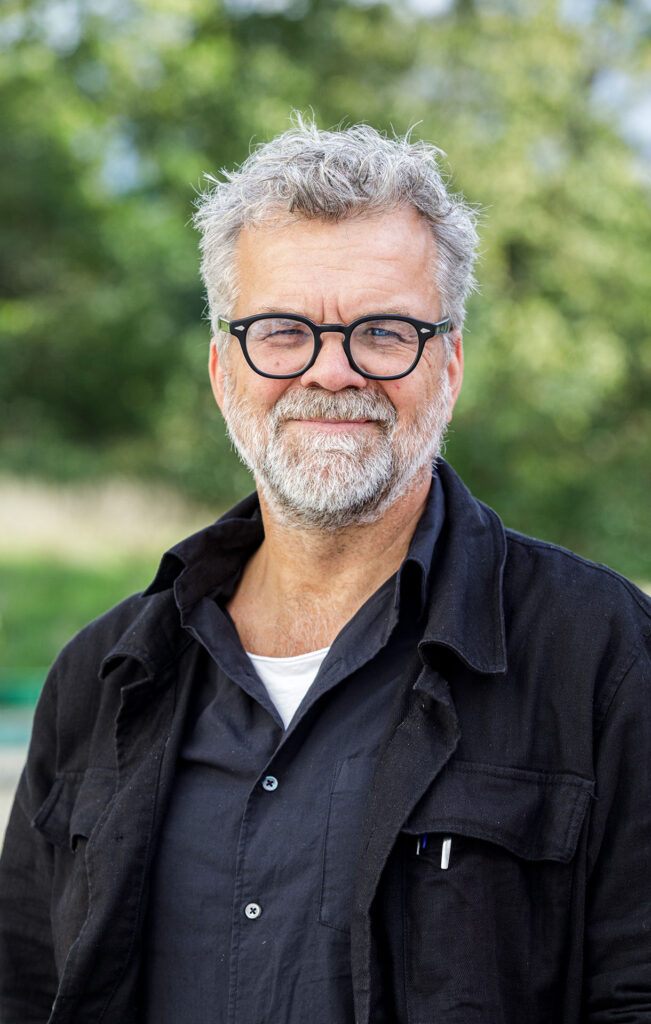
MARTIN WIDMAN, Project Manager for Ocean Culture
Exhibitions
Ghost ships of the Baltic
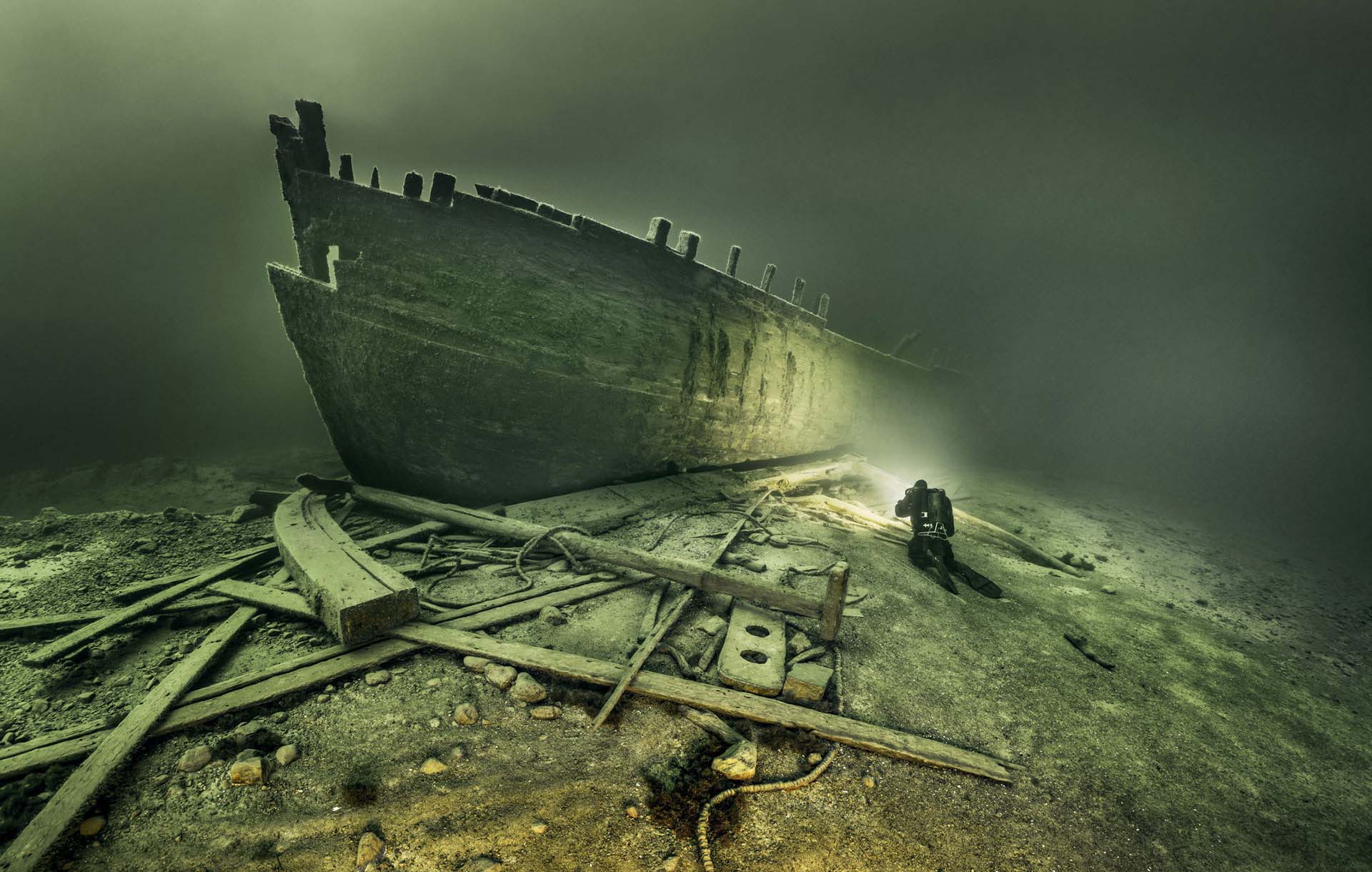
The Baltic Sea’s cold, low-salinity waters preserve wooden wrecks in extraordinary condition, creating what marine archaeologists describe as an underwater archive of human history.
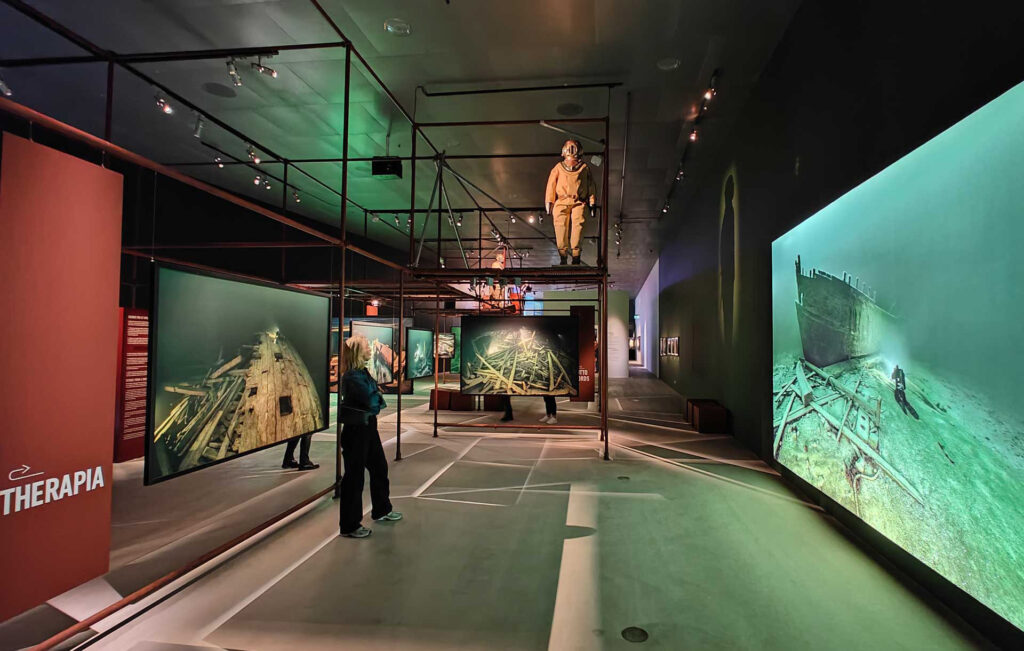
The Ghost Ships exhibitions, supported by Ocean Culture, bring these remarkably preserved wrecks into public view through underwater photography, film and storytelling. Exhibited in Sweden and Denmark, the project explores the Baltic as a sea at the crossroads of northern Europe, shaped by centuries of trade, travel and conflict.
The Wreck of the Hansa
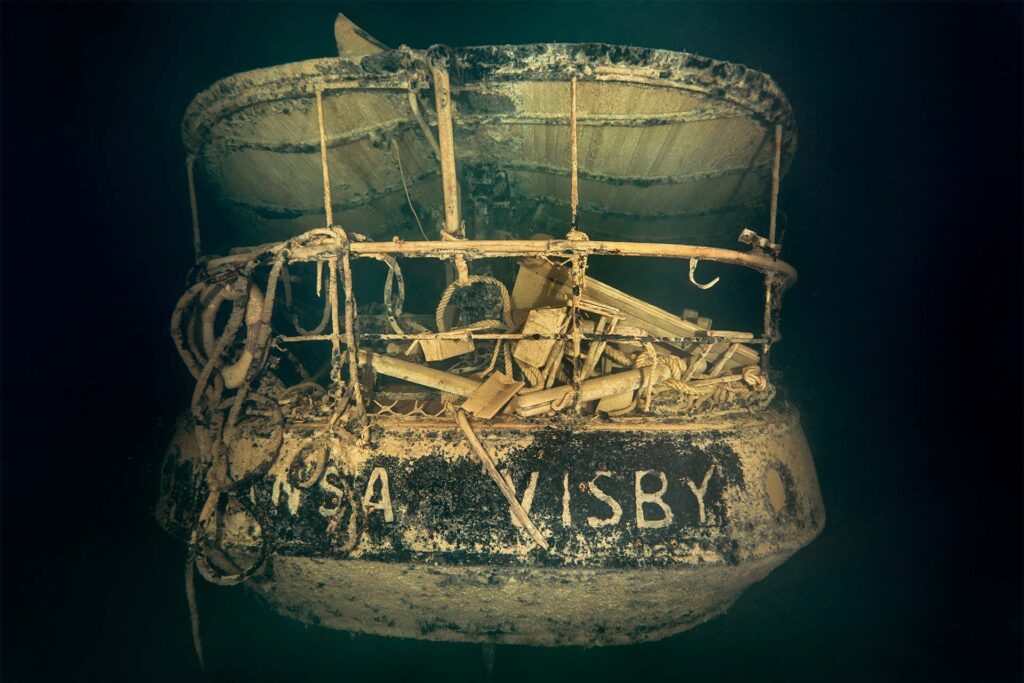
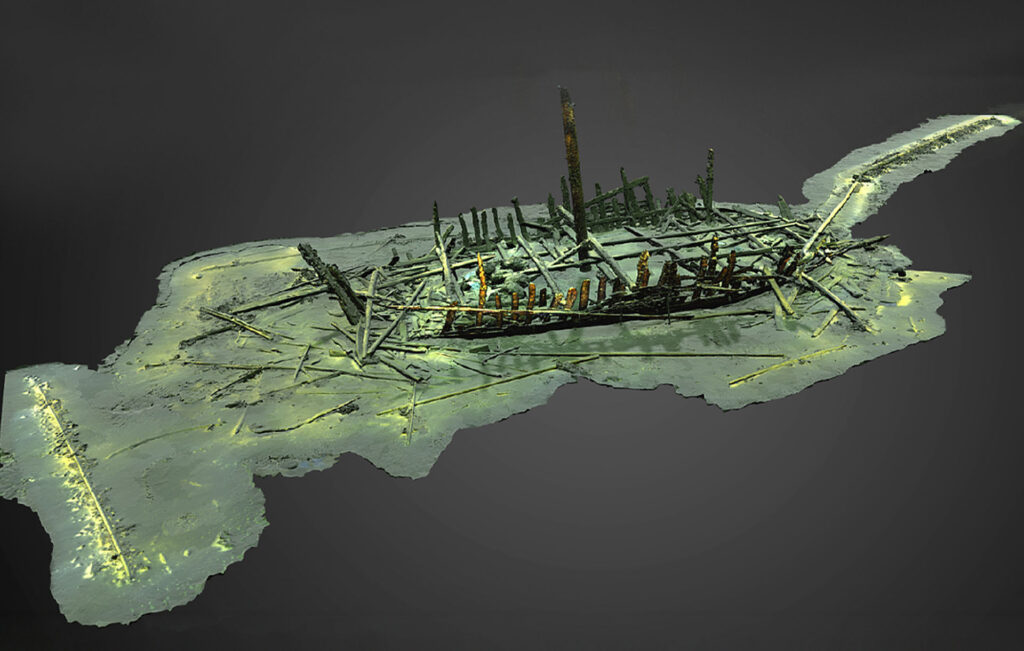
In 1944, the Swedish passenger ferry Hansa was sunk by a Soviet torpedo in one of Sweden’s most traumatic maritime disasters. The wreck still lies on the Baltic seabed, well-preserved but considered too fragile to raise to the surface.
Instead of literally reclaiming the Hansa, this VOTO-supported exhibition at Sweden’s National Maritime Museum does it virtually, using thousands of underwater images to create a detailed 3D reconstruction of the wreck site. Through photography, testimony and archival material, it also resurfaces the human dimension of the disaster, bringing the stories of lives abruptly ended in the chaos of war back into the light of public recognition.
Archaeology
Lost Landscapes beneath the Baltic
Since the last Ice Age, changing sea levels have swamped and submerged parts of Sweden’s prehistoric coastline, leaving important remnants of early Scandinavian history underwater.
Together with Ocean Support, Ocean Culture is helping researchers map and investigate these lost underwater landscapes, searching for traces of past human life stretching back thousands of years. The work is still exploratory, but discoveries in the region already suggest enormous archaeological potential beneath the surface of the Baltic.
The Osmund Ship
Supported by Ocean Support and Ocean Culture, a 16th-century wreck in Stockholm’s archipelago – known as the ‘Osmund Ship’ – is shedding new light on the Baltic trade networks that shaped Scandinavian history.
The vessel was carrying a large cargo of osmunds: small standardised pieces of wrought iron once traded across the Baltic. This iron was a foundation of Sweden’s early economic growth and international trade. By supporting archaeological investigation, Ocean Culture is helping researchers understand what it reveals about trade, industry and everyday life in the Baltic hundreds of years ago.
Cookies
We serve cookies. If you think that's ok, just click "Accept all". You can also choose what kind of cookies you want by clicking "Settings".
Read our cookie policy