
TOOLS FOR SEEING THE SEA
The ocean is constantly changing – but many of those changes are difficult to spot.
Environmental events can come and go quickly. Important processes happen beneath the surface, beyond the easy reach of any human eye. Without continuous observation across depths, distances and seasons, our understanding of what is happening in the ocean – and why – will always be incomplete.
VOTO’s scientific fleet uses a range of vessels and autonomous platforms to continuously monitor the Baltic and nearby seas. Operating above and below the surface, these technologies collect detailed observations throughout the water column, helping reveal the hidden dynamics of the marine environment.
OUR PLATFORMS
UNDERWATER GLIDERS
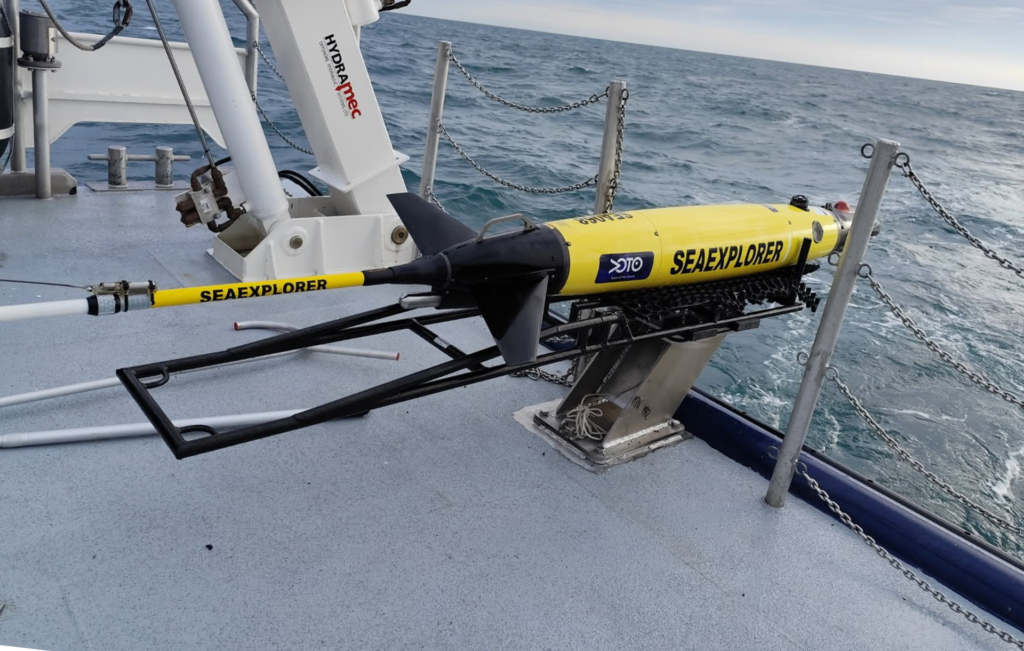
VOTO’s underwater observation work is built around a fleet of 18 ALSEAMAR SeaExplorer gliders.
It is possible to think of gliders as ‘robot submarines’ – but they don’t use propellers. They travel simply by changing their buoyancy like a fish’s swim bladder, slowly rising and sinking in long, slow ‘glides’, creating v-shaped profiles in the water column.
As they travel, these autonomous vessels collect detailed measurements of temperature, salinity, oxygen, chlorophyll, currents and other key indicators of the state of the ocean. They can remain at sea for long periods, moving quietly through the ocean and transmitting data when they surface.
ALSEAMAR SeaExplorer 1000 gliders
The SeaExplorer 1000, with a depth range of 1000 m, was designed for open-ocean use in much deeper parts of the ocean, VOTO has demonstrated it can be used effectively in a strongly stratified, shallow sea like the Baltic Sea.
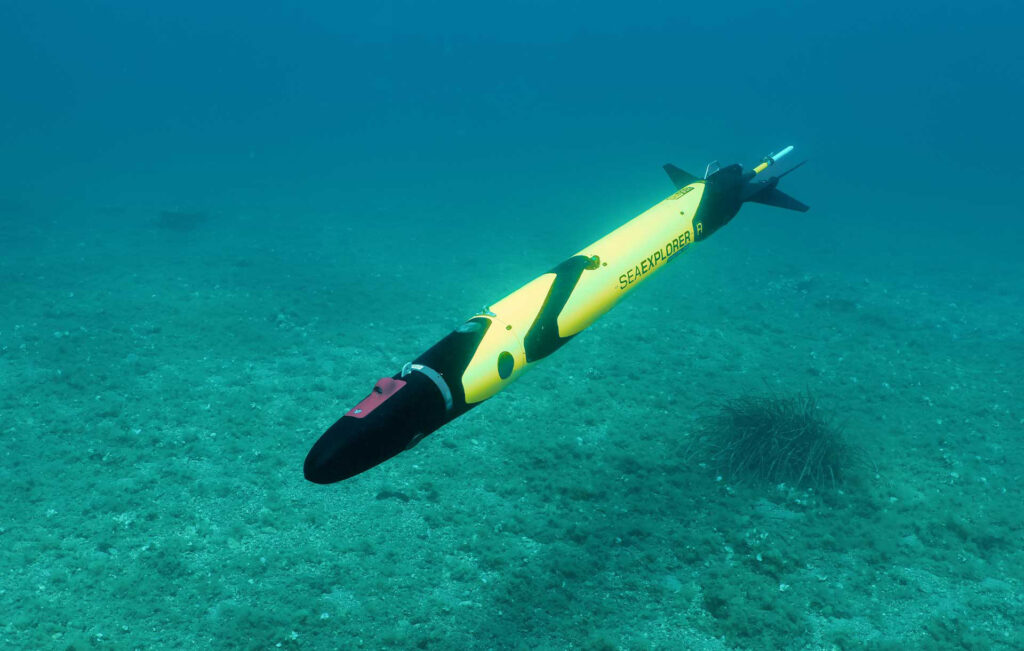
ALSEAMAR SeaExplorer 200 gliders
The SeaExplorer 200, with a depth range of 200 m, is currently being phased in to VOTO’s glider fleet. It was launched in 2025, and is the product of a close collaboration over four years between VOTO and the manufacturer ALSEAMAR.
Drawing on VOTO’s years of flying the ‘original’ SeaExplorer 1000 through the Baltic, the SeaExplorer 200 is tailored specifically for shallow seas. Built for longevity and agility rather than depth.
The SeaExplorer 200 makes ocean monitoring in shallow and coastal shelf seas much more efficient, enabling glider deployments in the shallower parts of the Baltic Sea and opening new possibilities for the wider ocean science community.
SURFACE PLATFORMS
VOTO also uses wind and solar-powered autonomous surface vehicles known as Sailbuoys, developed by Norwegian marine robotics company Offshore Sensing and C-star from the UK-based company OSHEN.
These platforms travel across the sea using sail propulsion while solar panels power their onboard instruments, communications and control systems.
Equipped with scientific sensors, they can collect and transmit ocean data in near real time from some of the most remote parts of the sea.
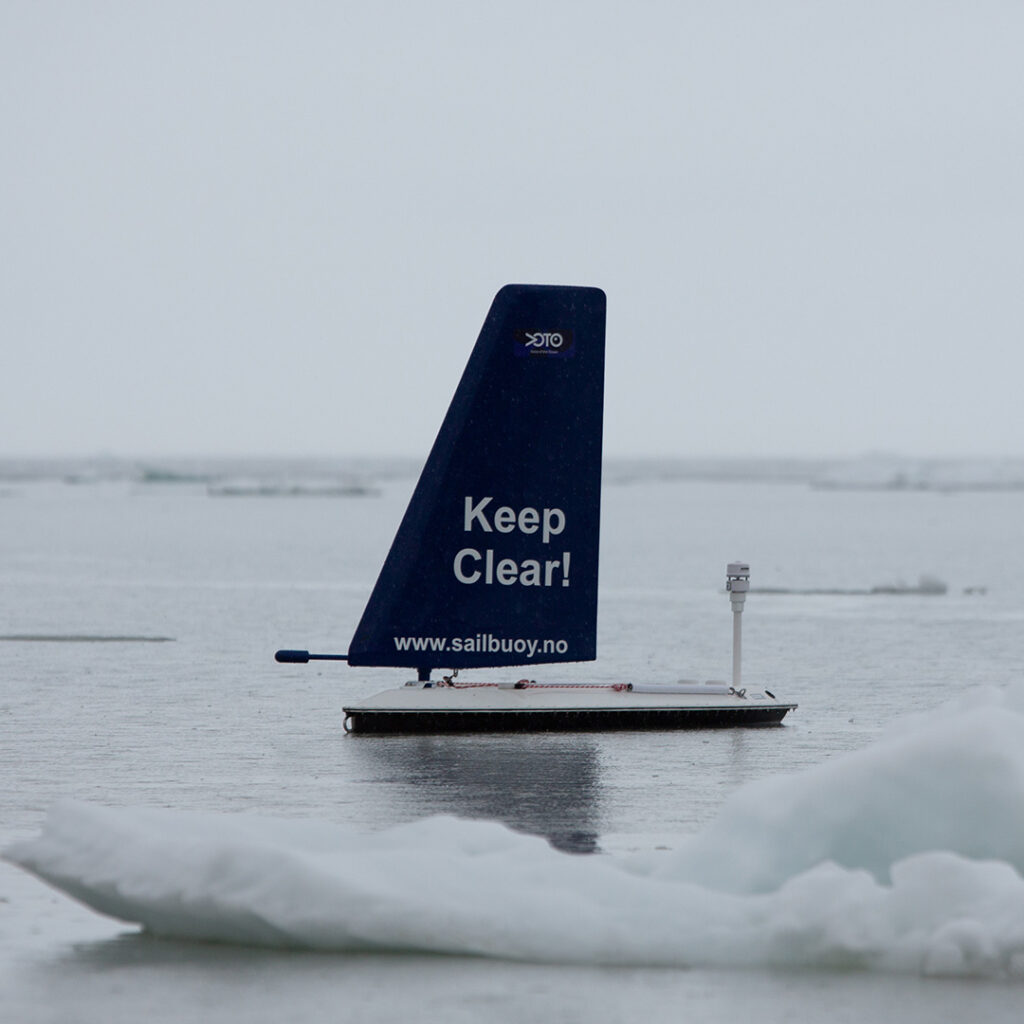
SailBuoy
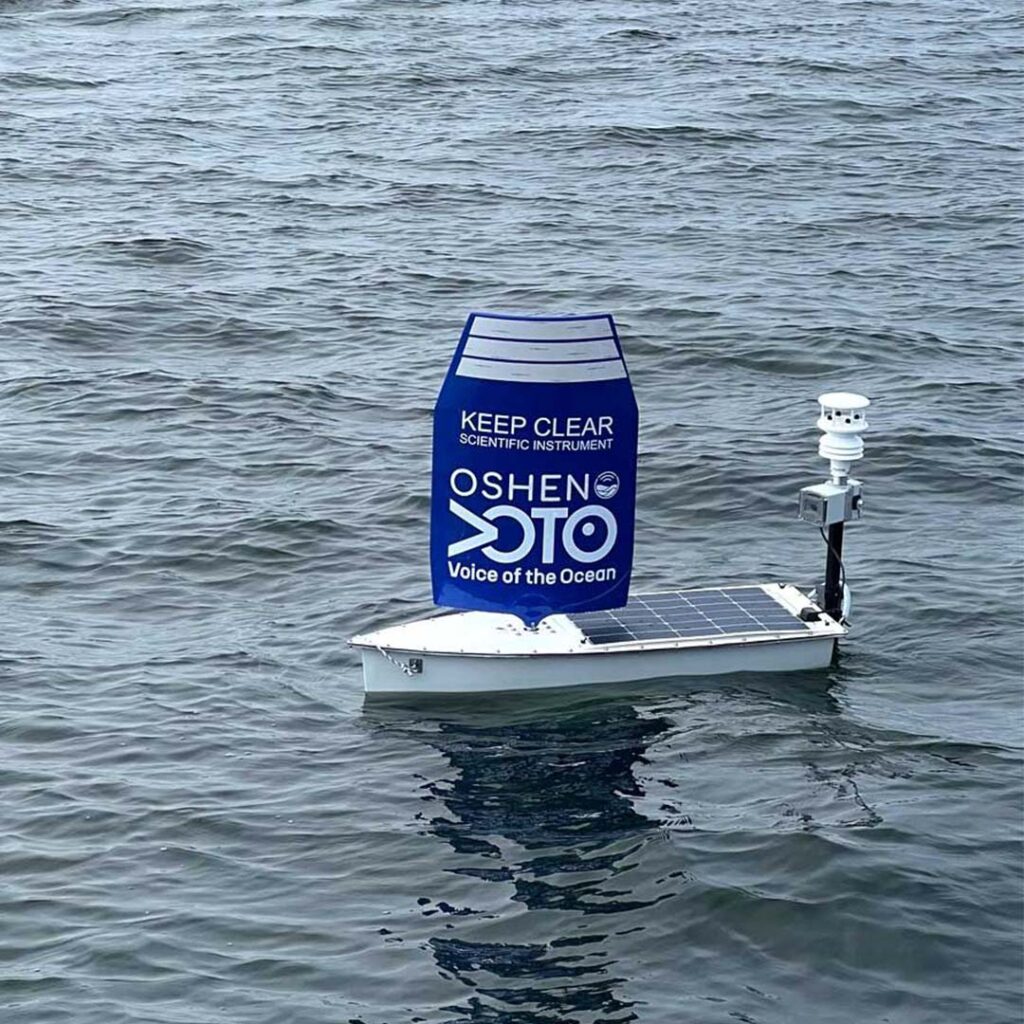
OSHEN C-Star
SENSORS, SURVEYS AND UNDERWATER ROBOTICS
The platforms themselves are only part of the story. Their true value lies in the scientific instruments they are able to carry.
Across its fleet, VOTO deploys advanced sensors capable of measuring temperature, salinity, oxygen, currents, light levels, chlorophyll fluorescence, phycocyanin fluorescence, backscatter, and other indicators of ocean processes and health. These observations help build a detailed picture of the physical, chemical and biological processes shaping the Baltic Sea.
VOTO also operates a growing suite of underwater survey technologies in collaboration with Midocean. Including autonomous underwater vehicles (AUVs), remotely operated vehicles (ROVs), underwater imaging systems and high-resolution seabed mapping equipment. These tools support activities ranging from habitat mapping, to the creation of detailed 3D models of underwater sites as part of marine archaeology projects.
RESEARCH AND SUPPORT VESSELS
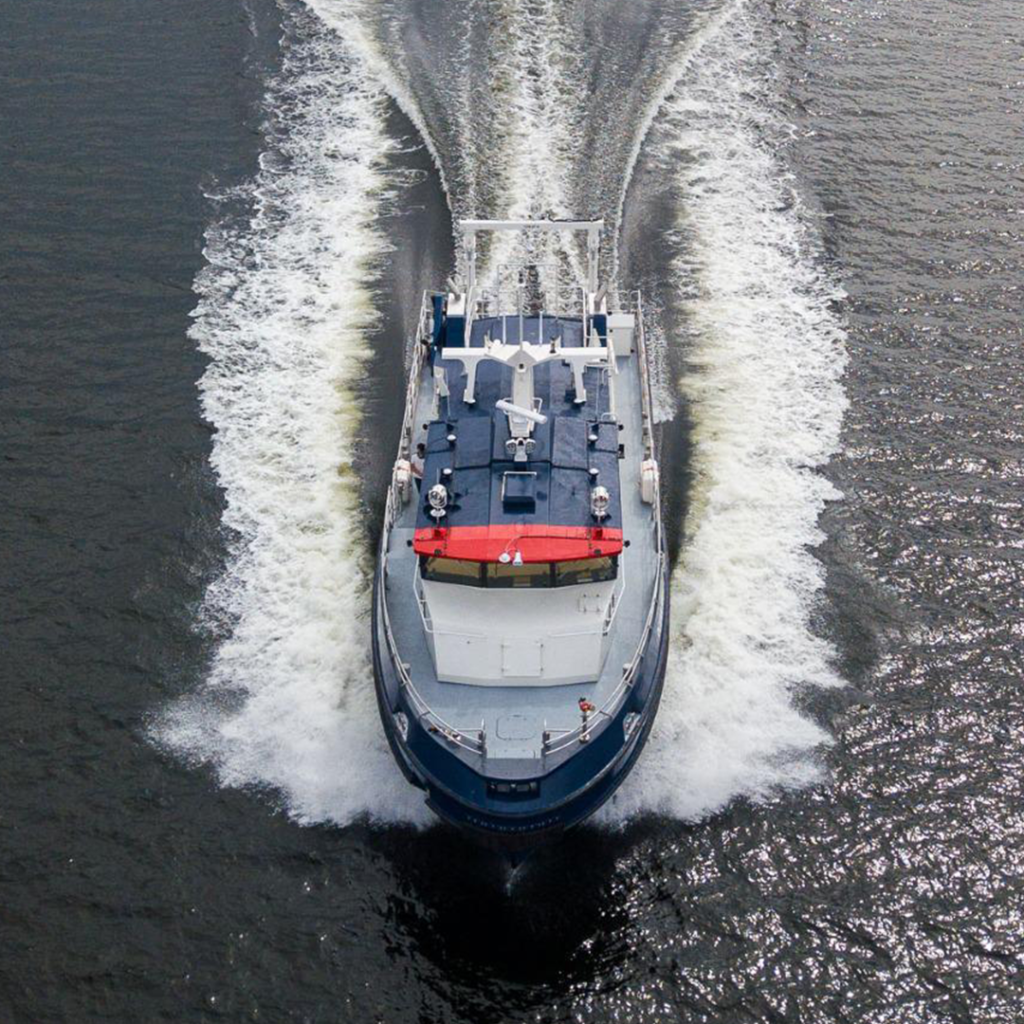
Autonomous platforms still need people, vessels and operational expertise behind them. Through the shipping company Midocean, VOTO has access to a fleet of specialist vessels used for deployment, recovery, sampling and support at sea.
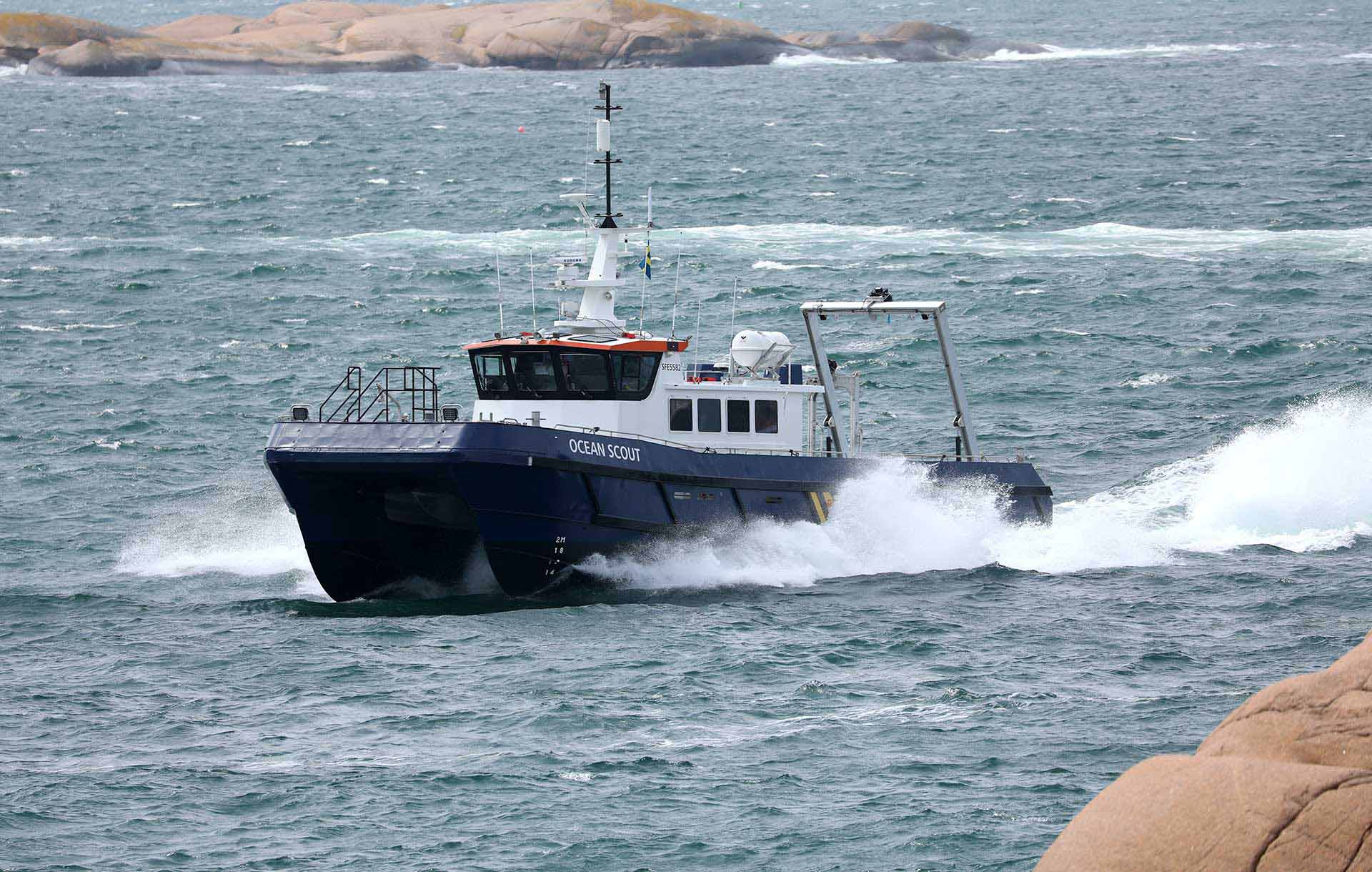
Purpose-built vessels such as Ocean Seeker and Ocean Nomad are designed for research, acoustic survey and glider operations in the Baltic and nearby seas. Additional vessels, including Ocean Scout, Ocean Rose, Gnarly and Nampa, provide flexible support for a range of scientific, technical and coastal operations.
FROM OBSERVATION TO UNDERSTANDING
Every glider deployment, sailbuoy mission and research voyage contributes to a larger goal: building a clearer picture of the changing ocean.
Discover VOTO’s wider Ocean Science programme and explore the research, technology and data behind our work.