Human history is inseparably interwoven with the ocean. From staging exhibitions to supporting cutting-edge archaeology, the Ocean Culture strand of VOTO is showing how we all share a past – and a future – with the sea.
- The ocean holds rich, vulnerable human histories; it is not a blank space outside history.
- The Baltic Sea uniquely preserves thousands of wooden wrecks thanks to cold, low-salinity waters limiting shipworm.
- VOTO’s Ocean Culture funds under-resourced marine archaeology, enabling dendrochronology and material analysis for broader historical insights.
- Research emphasises everyday maritime life, trade, and economy, exemplified by the Osmund wreck’s vital economic significance.
- Public engagement aims to historicise the ocean, showing how seas connected people and inform how we developed and where we’re going.
The ocean often seems to offer us a kind of amnesia. Looking out at the surface of the sea can invite the comforting illusion of a blank space suspended outside history, free of human troubles. This is deceptive. The ocean is crowded with complex human stories. But in a world where distance has collapsed and the sea no longer mediates our connections, those stories are at risk of slipping from our memory.
The Baltic’s long memory
A key dimension of Ocean Culture’s work focuses on memory. And the Baltic Sea – the expanse of ocean on VOTO’s doorstep – has a longer memory than any other sea in the world.
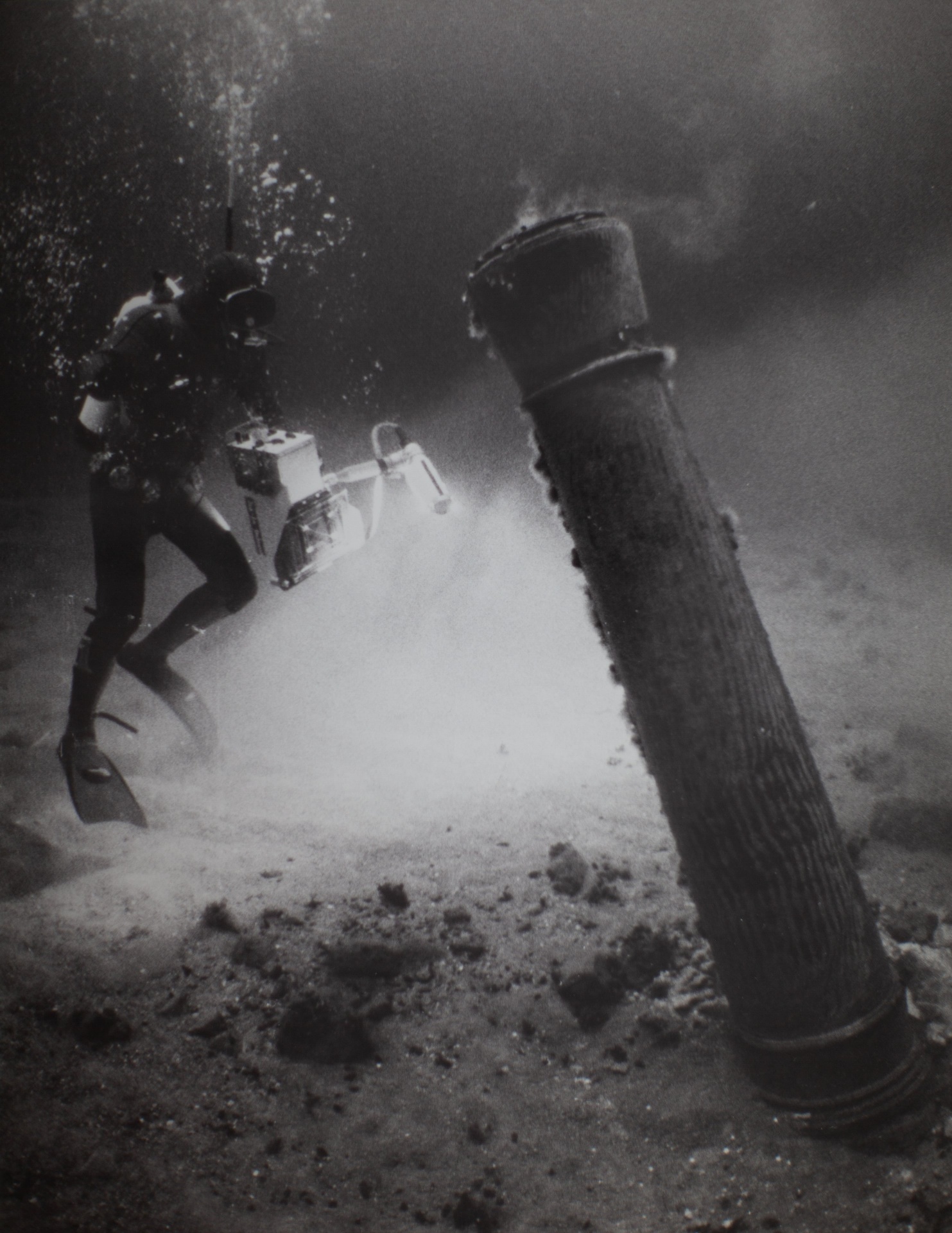
A key reason for this is a simple one – the absence of a certain soft, fleshy mollusc. Across the world, wooden shipwrecks and other structures rarely survive intact for long. Shipworm – a wood-boring creature found throughout most of the world’s oceans, which can grow up to two feet long – typically destroys submerged timber within years or decades. The Baltic is a rare exception: its cold, low-salinity waters largely keep shipworm at bay, preserving thousands of wooden wrecks and remains in extraordinary condition for centuries.
This feature of marine chemistry has turned the Baltic seabed into a vast underwater archive where the legacies of millennia of human activity – trade, war, migration, everyday life – are preserved with extraordinary longevity.
“It’s a treasure trove for marine archaeology,” explains Björn Hagberg, a project manager for the Ocean Culture strand.
But what also makes the Baltic exceptional for archaeology is not just chemical conditions, but what they have helped preserve: a rich history of human movement across a shallow, enclosed sea.
“There are nine countries around the Baltic with 90 million people living in them,” explains Björn. “It’s been a crossroads for empires, trade routes and wars for hundreds of years. There is so much history preserved in this sea.”
Beyond the kings and guns
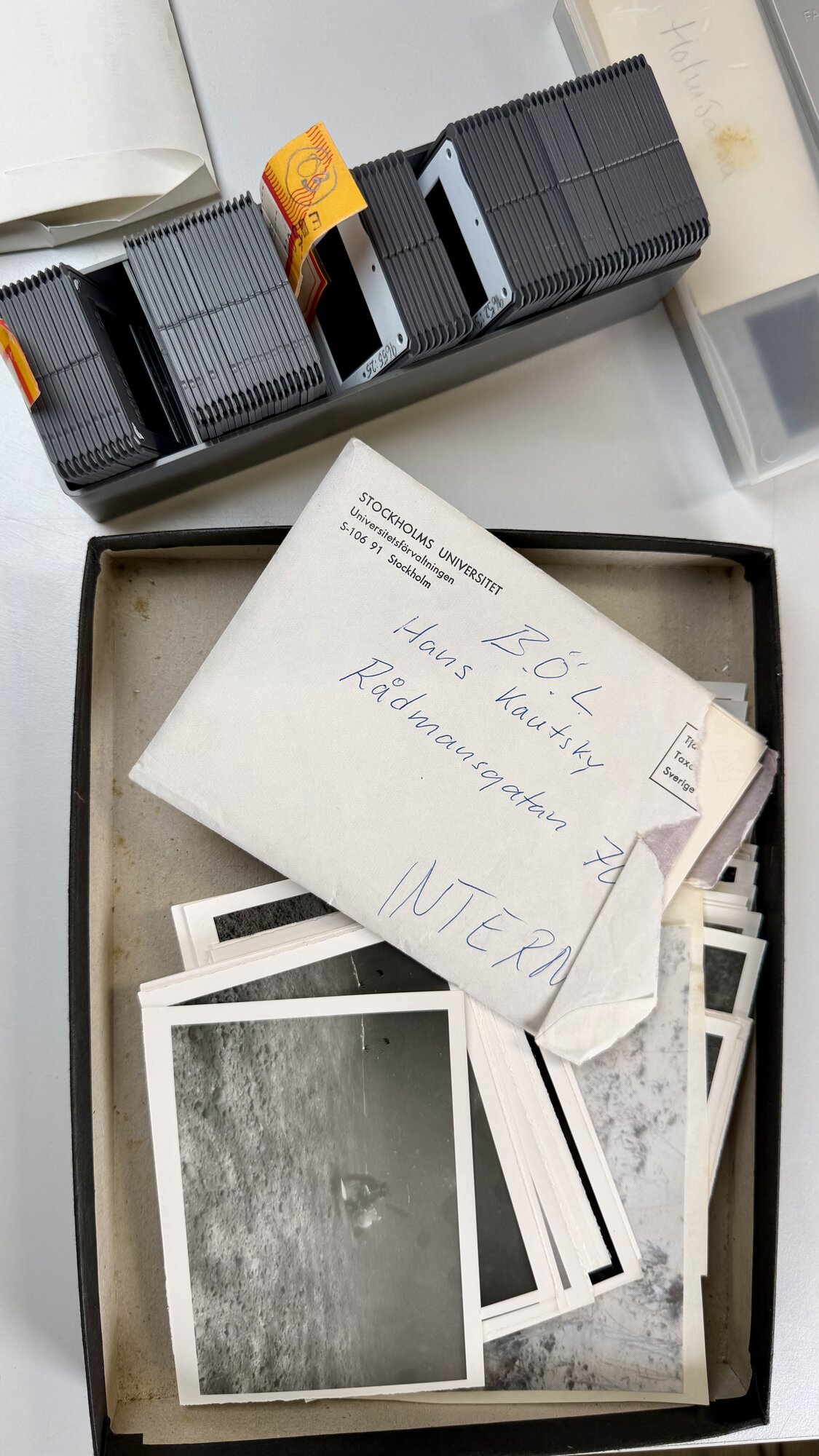
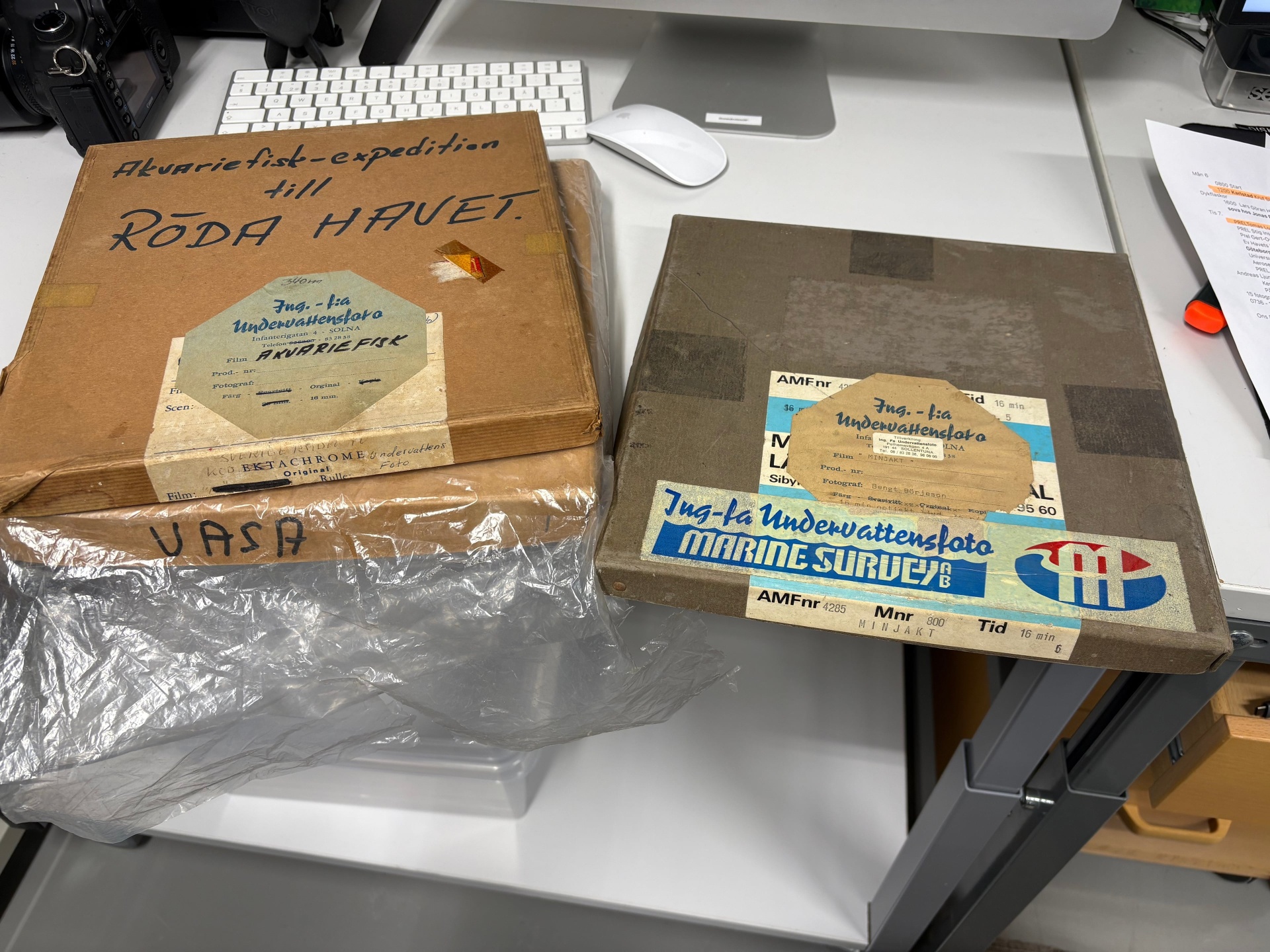
VOTO’s involvement in marine archaeology runs in its DNA, stretching back to the foundation’s origins and the lives of its founders.
Marine archaeology, Björn notes, is chronically underfunded. As a humanities discipline, it rarely receives the resources available to natural sciences. That makes targeted support disproportionately valuable.
A key strand of Ocean Culture’s work involves helping researchers access tools and research methods they would otherwise struggle to afford. These can include dendrochronology, dating wooden wrecks by tree rings, or material analysis of cargo and food remains.
Stockholm’s most famous exhibit – the immaculately well-preserved 17th-century warship Vasa – is a world-renowned testament to the Baltic’s powers of preservation, as well as a symbol of Baltic history. But as Martin Widman – also a project manager in the Ocean Culture department, who works closely with Björn – explains:
“Archaeology is not just about ‘kings and guns’. We try to expand the field, supporting work that has a larger framing than the more headline-grabbing subjects of maritime history. Not just warships, but trade, everyday life, how society actually worked.”
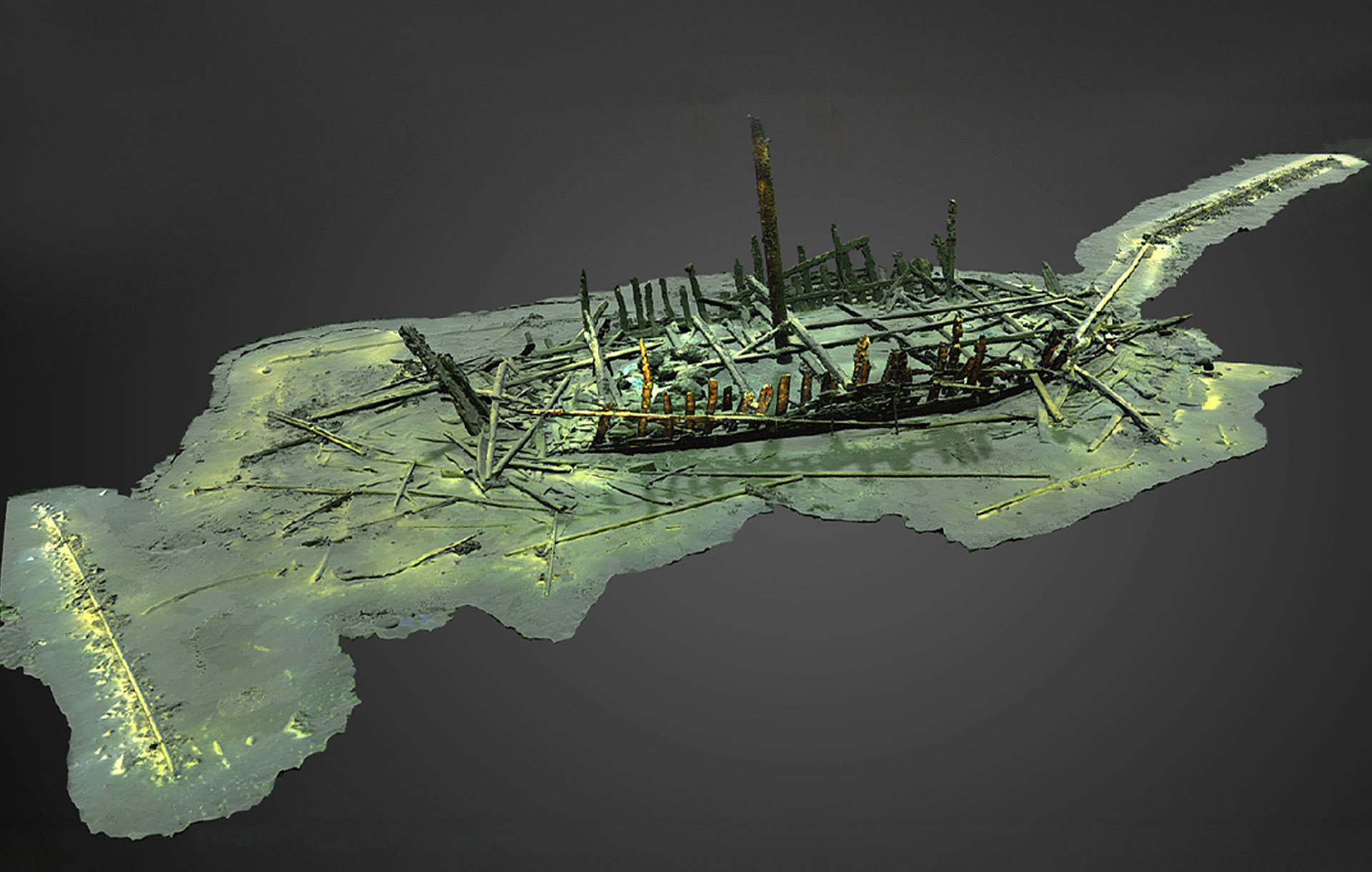
Ocean Culture’s recent support of the research and excavation of the ‘Osmund Wreck’ illustrates this interest in the fabric of the everyday. The wreck in question was a merchant ship found outside Stockholm, laden with around 1,000 standardised, small balls of wrought iron known as Osmunds – an unprecedented quantity. To a casual observer, it might look unremarkable. But to historians, it is a missing piece in a much larger story.
“That iron is one of the reasons Sweden could grow and become a nation,” Martin explains. “So it’s not just a ship that sank. It’s vital economic history.”
Ocean Culture is also supporting research into much older histories – including ones that have been swallowed by history. Since the peak of the last Ice Age around 20,000 years ago, Sweden has ‘tilted’ from north to south as the land has slowly rebounded following the retreat of the mighty glaciers. As a result, parts of the prehistoric shoreline along Sweden’s southern coast now lie underwater.
The result is a major gap in Scandinavian history. As Martin explains:
“When we studied archaeology years ago, early coastal culture was often ignored – people assumed early communities lived inland. But many coastal sites are now underwater, which skewed the record. Over the last 15 years this has become better understood but there still haven’t been enough investigations, which is why we want to support more of this work.”
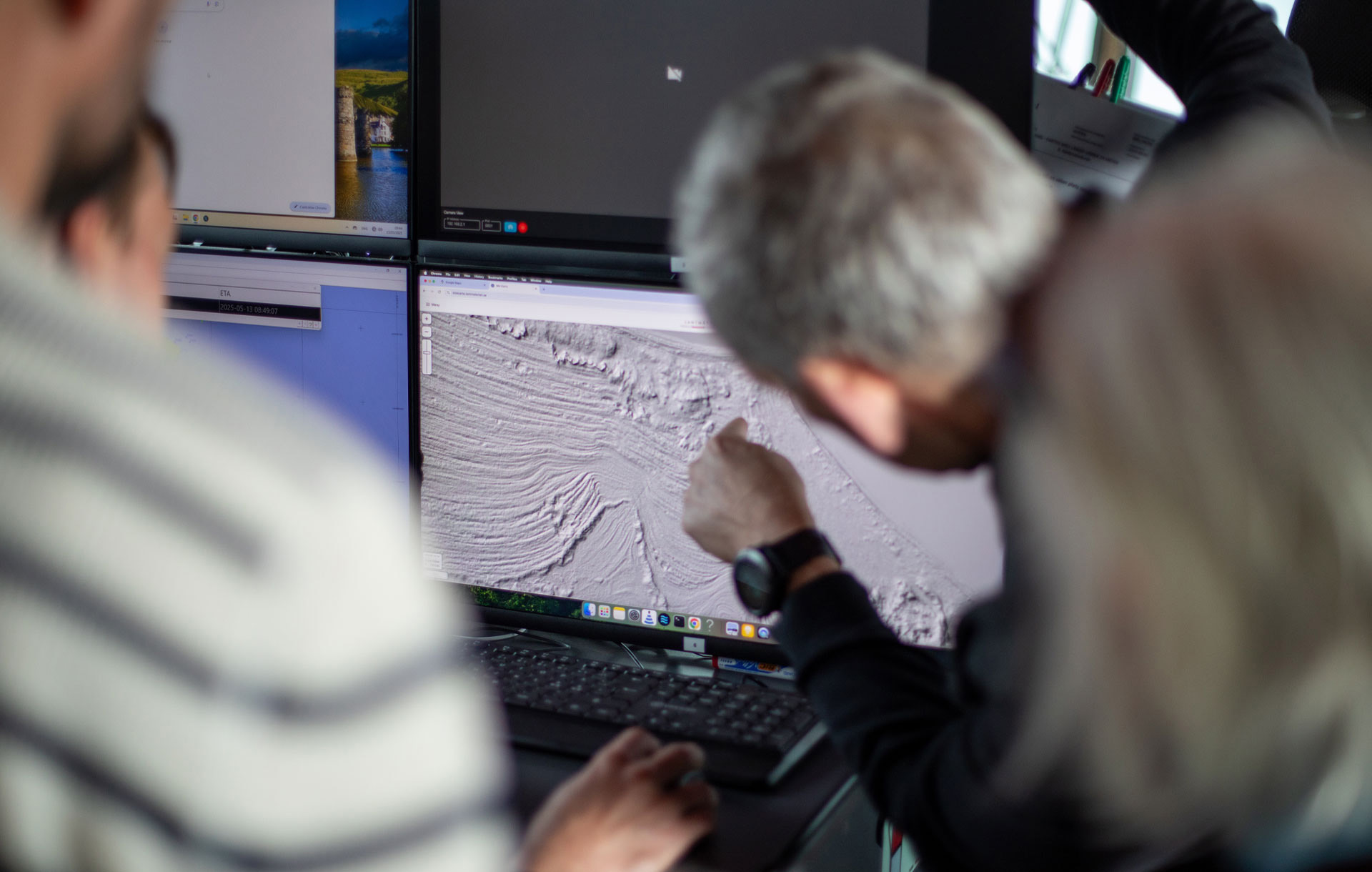
In conjunction with Ocean Culture, VOTO’s Ocean Support arm is supporting seabed mapping and survey work off Sweden’s southern coastline, helping researchers search for traces of past life beneath the surface stretching back to the Stone Age. The work is still exploratory, but Martin points to precedent.
“The world’s oldest fishing trap, about 9,000 years old, was found in this region,” he says. “So we know things are there. We just haven’t looked properly yet.”
A shared story
A core part of Ocean Culture’s work is public engagement. Research alone, Martin argues, is not enough.
“You have to reach the curious public. For us, the goal is to historicise the ocean. Even though almost all global trade still moves across water, the sea can feel peripheral in our lives. But the ocean has always connected people – not divided them. That’s a major goal for our department: showing how people travelled, stayed in contact, and how culture spread.”
Ultimately, the ocean’s story is our story. As Martin says:
“We need that history to understand how we developed – and where we’re going.”