A shipload of iron, and a missing chapter of Baltic trade
Found near Dalarö in Stockholm’s archipelago, the Osmund Wreck offers a rare window into Sweden’s 16th-century iron trade. Through Ocean Support, Voice of the Ocean helps researchers bring this hidden history into view.
- Cargo of osmund iron links the wreck to Bergslagen mines and 16th-century Baltic trade, revealing how iron was prepared and moved across Europe.
- Dendrochronology dates the vessel to the 1540s with repairs after 1553, indicating evolving shipbuilding and a sturdy clinker-built three-masted merchant design.
- The Baltic’s cold, brackish waters preserved hull, rigging, galley remains and objects, enabling direct study of maritime work, risk and daily life.
- Multidisciplinary research uses archaeology, metallurgy, dendrochronology and conservation to read timber, cargo and artefacts, reconstructing trade networks and industrial organisation.
A cargo that changed the story
Beneath the waters of Stockholm’s archipelago lies a ship that once carried one of Sweden’s most important export goods.
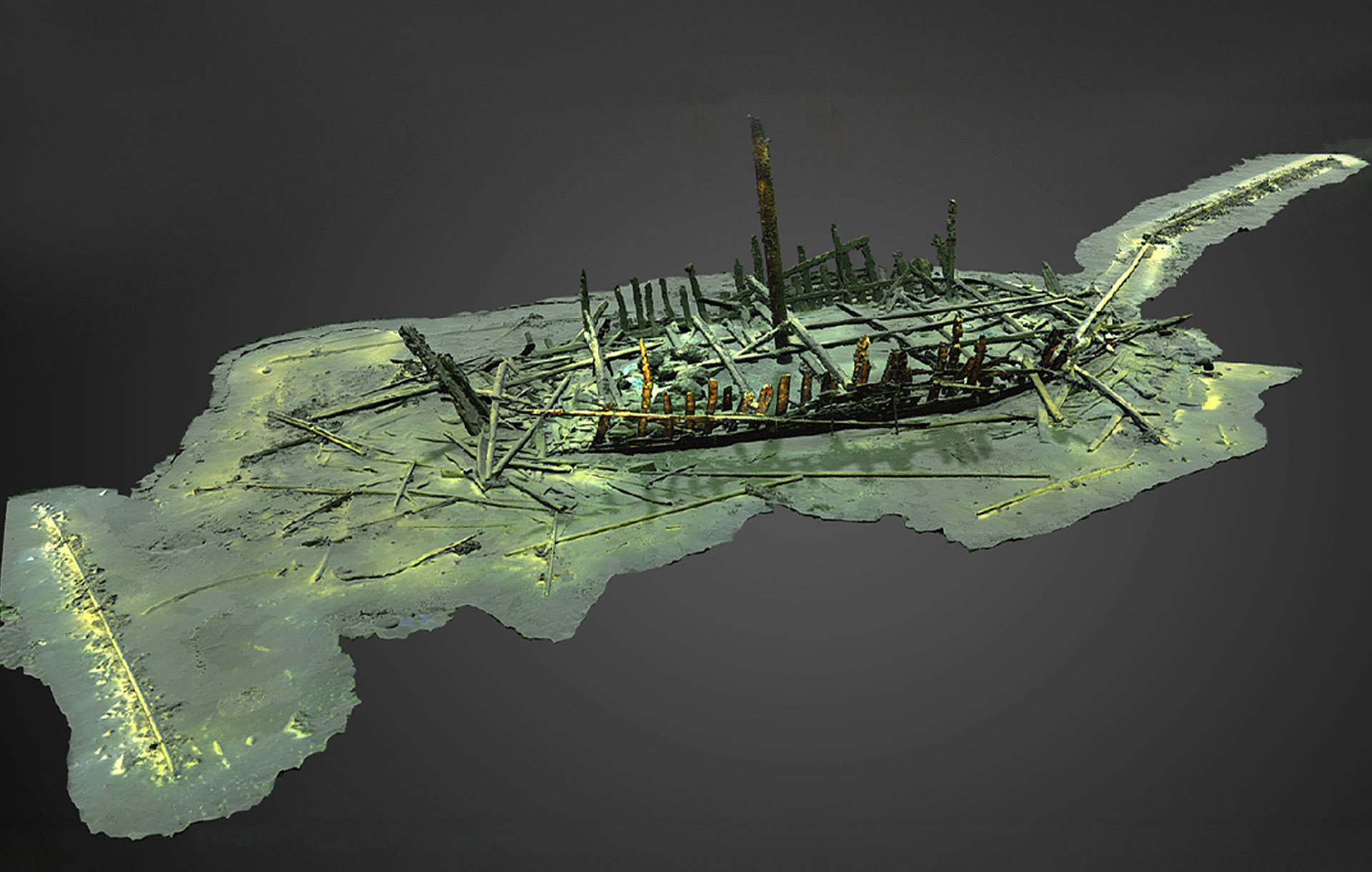
The vessel is known today as the Osmund Wreck. It was discovered north of Dalarö in 2017, resting at around 28 metres’ depth. At first, it was another dark shape on the seabed. Then marine archaeologists saw the cargo.
Inside the hold were barrels of iron. Not just any iron, but osmunds: small pieces of wrought iron that were once central to Swedish trade from the Middle Ages into the early modern period.
That cargo makes the wreck exceptional.
The ship is dated to the 16th century. Dendrochronological analysis places its construction in the 1540s, with evidence that it was repaired or rebuilt after 1553, probably shortly before it was lost. The vessel appears to have been a strong, clinker-built, three-masted merchant ship — a working craft built to carry valuable cargo across the Baltic.
But the wreck is more than a preserved ship.
It is an intact moment in the history of trade, technology and everyday maritime life.
Iron on the move
For centuries, iron was one of Sweden’s most important exports. It helped shape the country’s economy, industrial development and international relationships. But the practical details of that trade — how iron was handled, transported, packaged and moved across the sea — are still not fully understood.
The Osmund Wreck gives researchers a rare opportunity to investigate those questions directly.
Its cargo of osmund iron connects the seabed to the mines and forges of Bergslagen, to trade routes across the Baltic, and to the wider European economy of the 16th century. The ship’s construction also raises important questions about maritime technology at a moment when shipbuilding was changing.
The wreck therefore sits at the intersection of several stories: Swedish iron production, Baltic trade, maritime transport and the modernisation of ship design.
It is not only a vessel that sank.
It is a piece of infrastructure from a trading world that helped shape northern Europe.
A rare survivor
The Baltic Sea is one of the world’s great underwater archives.
Its cold, brackish waters slow the forces that destroy wooden wrecks elsewhere. Shipworm, which can reduce submerged timber to fragments in other seas, struggles in the Baltic’s low salinity. As a result, wooden vessels can remain on the seabed for centuries with remarkable clarity.
The Osmund Wreck is one of those rare survivors.
Its hull, rigging details, masts, cargo, galley remains and everyday objects help researchers read the ship as both a technical structure and a human space. It was not only a cargo vessel. It was a workplace, a route, a risk and a livelihood.
That is what makes marine archaeology so powerful. It does not only recover objects. It restores relationships — between people, materials, technology and the sea.
The Osmund Wreck is not a royal flagship. Not a famous battle. Not a story of kings and guns.
It is something just as important: a merchant ship carrying the material that helped build economies, industries and connections across the Baltic. A story of trade, everyday life and how society actually worked.
Research beneath the surface
The Osmund Wreck is being investigated through a wider research collaboration involving institutions with specialist knowledge in marine archaeology, metallurgy, history and maritime technology.
The research project asks how the ship and its cargo can shed light on international trade during the 16th century, the industrial organisation of Sweden’s mining and metallurgical regions, and the development of shipping and shipbuilding technology.
The work includes archaeological documentation, analysis of the cargo, and dendrochronological dating.
A single wreck can contain many kinds of evidence. Timber can reveal where and when a ship was built. Cargo can show what was being traded and how it was prepared for transport. Construction details can reveal traditions, transitions and technical choices. Everyday objects can bring the human dimension back into view.
On the seabed, these clues sit together.
The task is to read them carefully.
Why Voice of the Ocean is involved
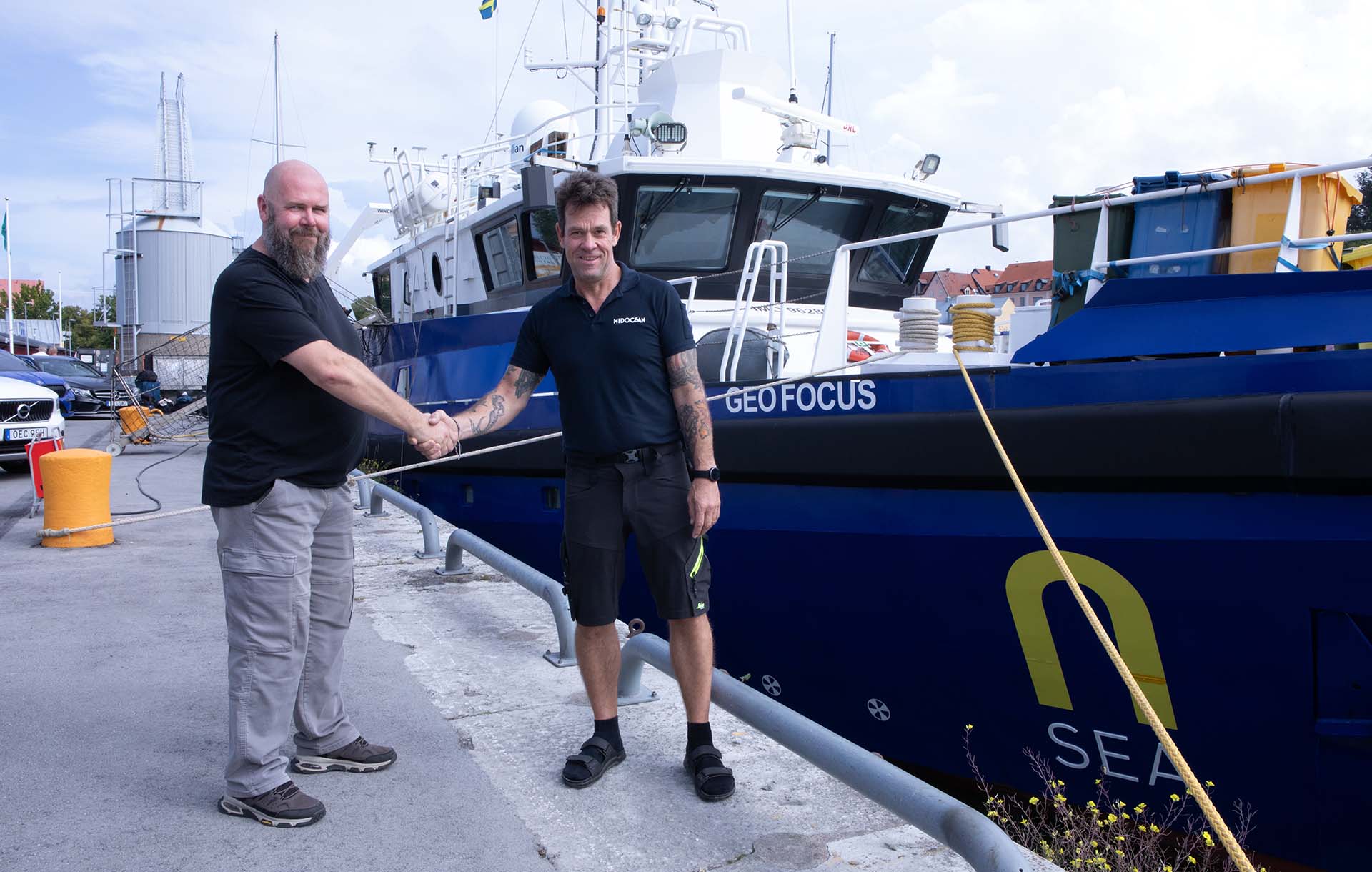
Voice of the Ocean supports the Osmund Wreck project through Ocean Support.
Ocean Support exists to help vital ocean-related research move forward when strong ideas need access to funding, vessels, technical capacity, specialist methods or hands-on operational support. It works across disciplines, from ocean dynamics and habitat mapping to marine archaeology.
The Osmund Wreck is a clear fit for that mission.
The project expands what we know about the Baltic as a historic trade route and helps bring the ocean’s human stories to the surface. It also bridges scientific research and public understanding: the investigation is technical, but its meaning is widely human.
Through Ocean Support, VOTO helps researchers access the practical tools and capacity needed to study the wreck properly. Through Ocean Culture, the knowledge can travel further — into public storytelling, exhibitions, education and wider awareness of the sea as a place of memory and movement.
Because the ocean is not only a natural system.
It is also a cultural one.
From seabed to society
The Osmund Wreck reminds us that the Baltic has never been empty space between countries.
It has been a road, a marketplace, a workplace and a meeting point. Across its waters moved iron, timber, people, ideas, conflict and commerce. Some of those journeys ended on the seabed. Others shaped the world above it.
By studying the Osmund Wreck, researchers can better understand how Sweden’s iron trade worked in practice — not only in ledgers and written sources, but in the physical remains of a ship that was built, loaded, sailed and lost.
That is why this work matters.
It brings hidden history into view. It shows how the seabed can hold answers to questions that written records alone cannot resolve. It helps us understand the Baltic not only as a fragile sea under pressure today, but as a living archive of human activity over centuries.
The Osmund Wreck is a shipwreck.
It is a cargo of iron.
It is a missing chapter of Baltic trade.
And, with the right support, it can still tell us more.
References
Vrak — Report on the Osmund Wreck
Vrak — Conservation and protection plan