Marine science rarely happens alone. Through partnerships with organisations such as SMHI, IOW, FMI and the University of Gothenburg, Voice of the Ocean helps strengthen observation, test new approaches and connect the expertise needed to understand a changing sea.
- Marine science depends on networks of organisations, disciplines and people working together to build, test and improve knowledge over time.
- VOTO partners with institutes like SMHI, IOW, FMI and universities to develop sensors, test methods and strengthen ocean observation.
- Flexible platforms and rapid coordination let VOTO capture fleeting events, such as major Baltic inflows, by deploying gliders and targeted measurements.
- Collaborations extend data, share expertise, support research infrastructure and create opportunities for early-career scientists to grow skills and field experience.
Science is a shared effort
The ocean does not reveal itself to one person, one institution or one instrument.
It is too large, too layered, too changeable. To understand it properly, science needs time, trust and many kinds of expertise working together. Observations must be tested. Methods refined. Data compared. Questions sharpened by people who see the same sea from different angles.
Marine science rarely happens in isolation.
It depends on networks — between institutions, disciplines and individuals — where knowledge is built, challenged and improved over time. For Voice of the Ocean, scientific partnerships are not an addition to the work. They are part of the infrastructure that makes the work possible.
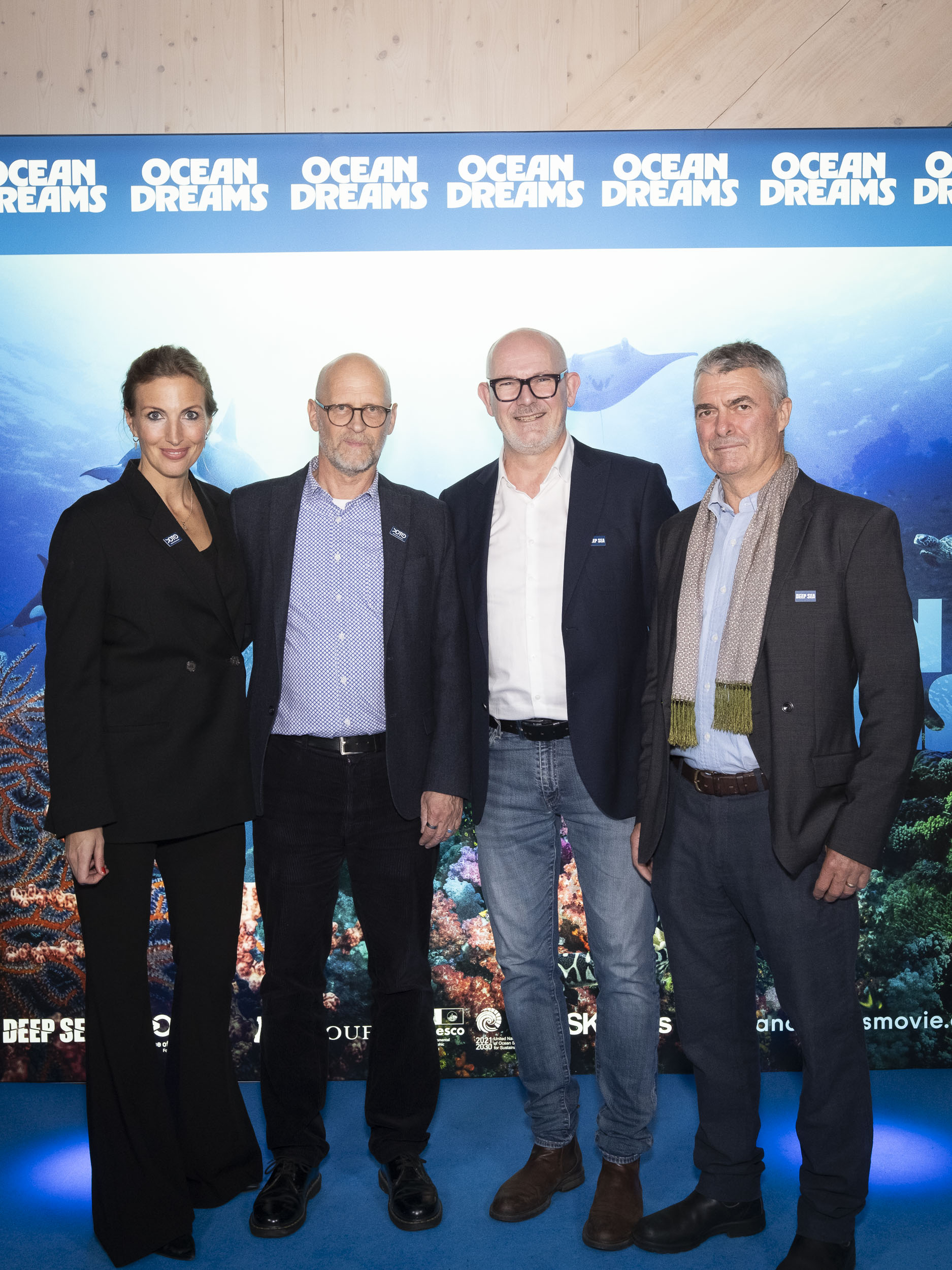
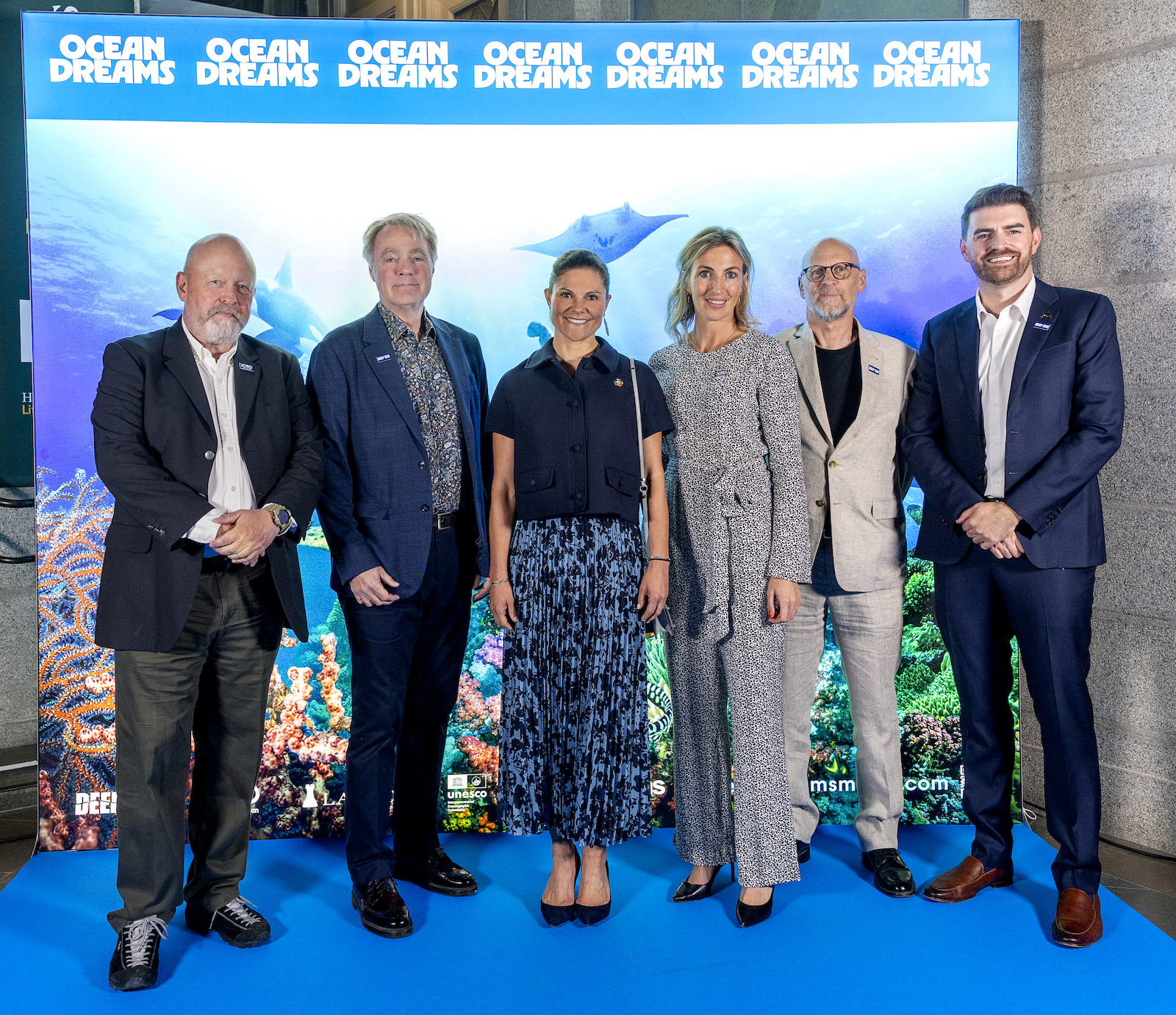
VOTO’s growing academic network includes organisations such as the Swedish Meteorological and Hydrological Institute (SMHI), the Leibniz Institute for Baltic Sea Research (IOW) and the Finnish Meteorological Institute (FMI). These relationships take many forms, from informal exchanges of insight to structured collaboration on research, technology and ocean observation.
No islands in ocean science.
Only connections.
Building better ways to observe the sea
At the heart of many of these partnerships is a shared question: how can we observe the ocean better?
The Baltic is a demanding place to answer that question. Shallow, strongly stratified and under pressure from warming, eutrophication and oxygen loss, it requires measurements that are frequent, detailed and responsive. A single snapshot is not enough. Scientists need to see how conditions change through time, across depth and between connected systems.
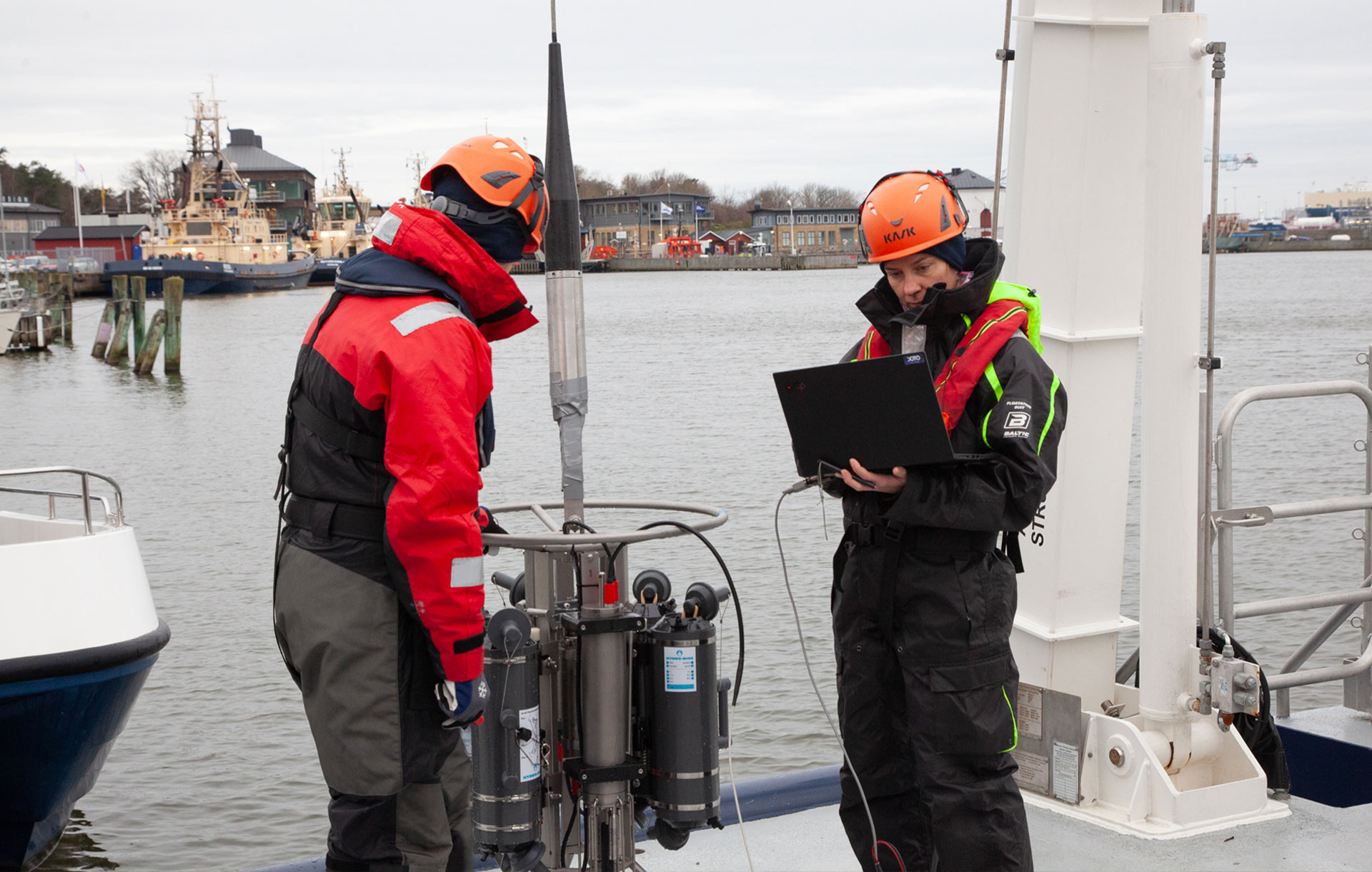
VOTO works closely with scientists to test new approaches, improve sensor technology and refine how ocean data is collected. This includes projects to enhance detection of harmful algal blooms in the Baltic, as well as ongoing dialogue around glider performance and deployment.
That practical collaboration matters.
An underwater glider may travel alone beneath the surface, but the knowledge it produces is collective. Behind every mission is a chain of engineers, oceanographers, data specialists, pilots, and researchers helping turn measurements into meaning.
When the Baltic changes, speed matters
Some ocean processes unfold slowly. Others announce themselves through early signs that must be recognised quickly.
Recently, those early signs pointed towards a rare major Baltic inflow — a complex event in which saltier, oxygen-rich water from the North Sea can move into the Baltic and help reoxygenate deep waters. Major inflows are uncommon. According to the spread, an event of this scale has not happened in a major way since 2015.
For scientists studying the Baltic, such an event matters.
A major inflow can reshape conditions in the deep basins, affecting oxygen levels, stratification and the wider physical and chemical state of the sea. But to understand it properly, the right measurements need to be captured while the event is still unfolding.
This is where partnership becomes agility.
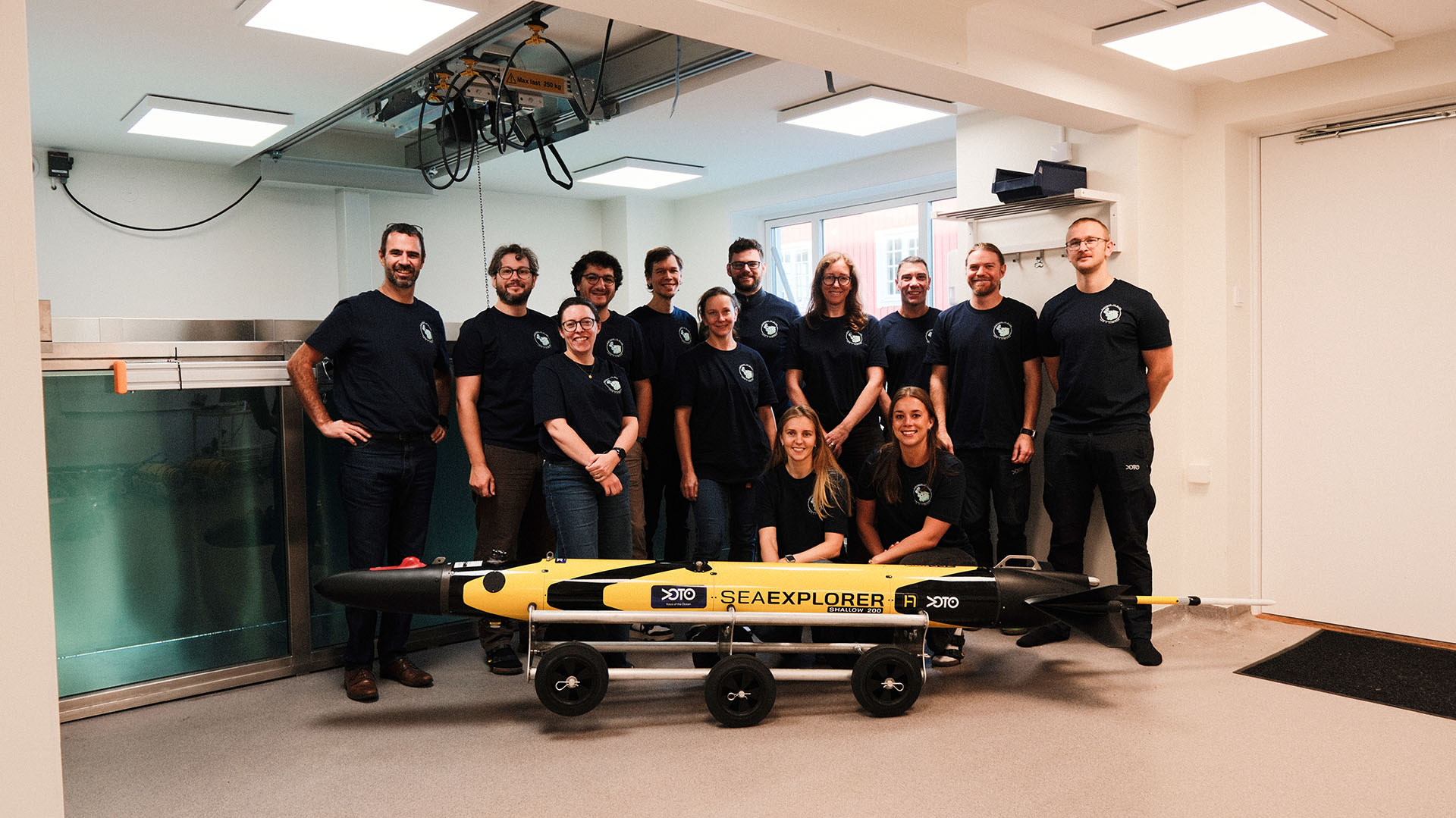
When the first signs emerged, VOTO was able to rapidly convene with experts from SMHI, IOW and FMI. Together, they identified the key measurements needed and guided the deployment of the new VOTO-supported SeaExplorer 200 glider to capture the event as it happened.
In ocean science, timing can make the difference between seeing the process and only seeing what it left behind.
The value of being able to move
VOTO’s role in the scientific ecosystem is not to replace existing observation systems. It is to complement them.
Government agencies, universities and research institutes carry out long-term monitoring that is essential to understanding the sea. VOTO adds another kind of capacity: flexible platforms, high-resolution measurements, technical experimentation and the ability to respond quickly when specific events demand closer attention.
For Sam Fredriksson, Head of Oceanographic Research at SMHI, VOTO’s role lies in complementing and strengthening existing observation systems, adding flexibility, resolution and new technological capability to the wider scientific effort.
“VOTO makes a meaningful contribution to observations in the seas surrounding Sweden. Its measurements can provide high-resolution information in time and space across specific areas of interest, potentially supporting the study of long-term trends as well as distinct phenomena such as major Baltic inflows and fine-scale processes. VOTO also plays a role in advancing both the development and practical understanding of autonomous measurement technologies, including the use of gliders.”
The quote captures something important about VOTO’s position: its value lies not only in the data it collects, but in how its flexible, high-resolution observations help strengthen a wider scientific ecosystem.
Universities, infrastructure and the next generation
Within this wider ecosystem, collaborations with universities add another layer of depth.
The University of Gothenburg is one important example. Through such relationships, VOTO contributes to advanced research infrastructure, supports programmes such as Ran II, shares vessels and data expertise, and helps create opportunities for early-career scientists.
That last point matters.
Ocean science depends not only on instruments, but on people learning how to ask better questions. Early-career researchers need access to data, field experience, technical systems and networks of expertise. Partnerships can help provide that access.
A glider deployment may produce measurements.
A shared vessel day may enable a field campaign.
A collaboration may help a young scientist enter a field that urgently needs more minds, more methods and more momentum.
This is how scientific capacity grows.
Not all at once. Not in isolation. But through practical cooperation, repeated trust and shared work at sea.
From data to common understanding
The ocean is one connected system, but the institutions working to understand it are often separated by geography, funding structures, disciplines and mandates.
Partnerships help bridge those divides.
They allow data to travel further. They allow technical lessons to be shared. They allow researchers to compare observations, align methods and respond more intelligently to events that cross borders and categories.
This is especially important in the Baltic.
The sea is surrounded by many nations, fed by hundreds of rivers and shaped by pressures that no single organisation can solve alone. Climate change, oxygen loss, algal blooms, pollution transport and ecosystem shifts do not stop at institutional boundaries.
Neither can the science.
VOTO’s partnerships help connect local observation to regional understanding — and regional understanding to wider ocean knowledge.
Cooperation is how science moves
The image of science often focuses on discovery: a breakthrough, a new dataset, a striking result.
But discovery is rarely the whole story.
Before the insight comes the patient work of collaboration. The meetings. The shared protocols. The sensor tests. The conversations about what to measure, where to deploy and how to interpret what comes back. The trust that allows institutions to move quickly when the sea begins to change.
That is the quiet power of scientific partnerships.
They make ocean science more responsive, more resilient and more useful.
Voice of the Ocean was founded to help close gaps in ocean understanding. Sometimes that means operating gliders in the Baltic. Sometimes it means supporting new technology. Sometimes it means creating the conditions for others to do stronger science.
In each case, the principle is the same.
Knowledge grows when it is shared.
There are no islands in ocean science.